
Free Piano Music! Country Index
There are many Spanish speaking countries which share the same songs.
See “Hispanic Countries” to view them.
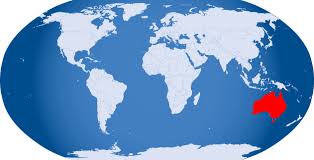
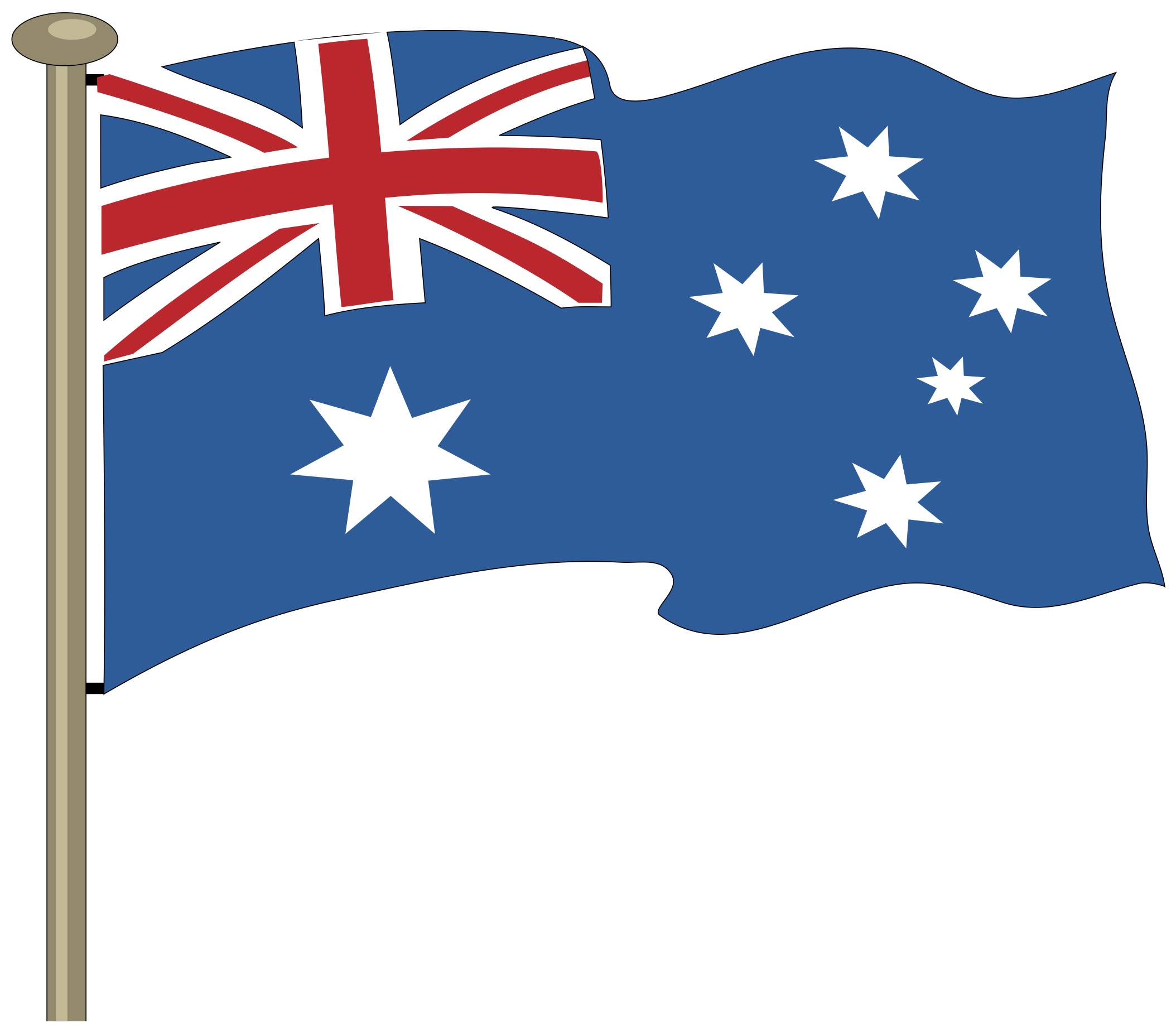
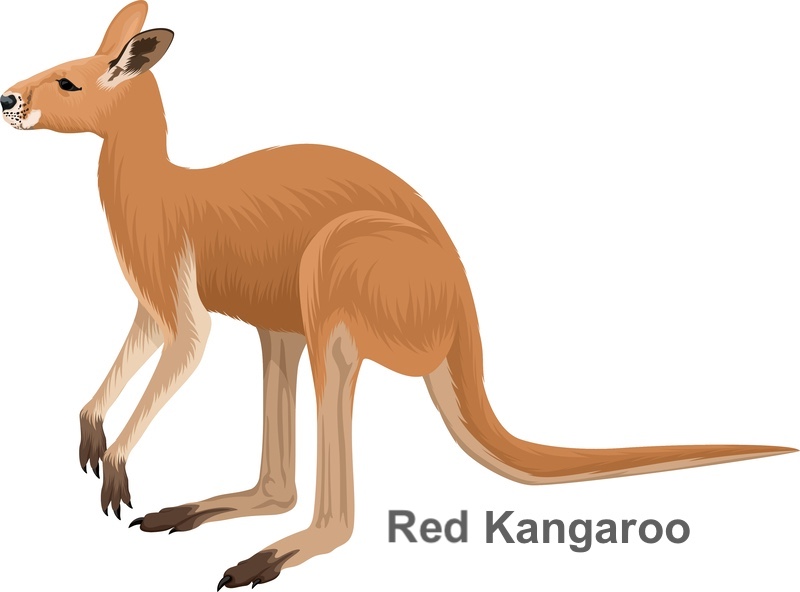
From National Geographic: "Australia is the only country in the world that covers an entire continent. It is one of the largest countries on Earth. Australia is also one of the world's most ethnically diverse nations. Nearly a quarter of the people who live in Australia were born in other countries." --read more
| Level | Name | Sheet music | Audio |
| Primer | The Wellerman, a sea shanty | 
|

|
| 3 | The Australian National Anthem Advance Australia Fair |
|
|
| 3 | Waltzing Matilda | |
|
| 4 | Click Go the Shears | |
|
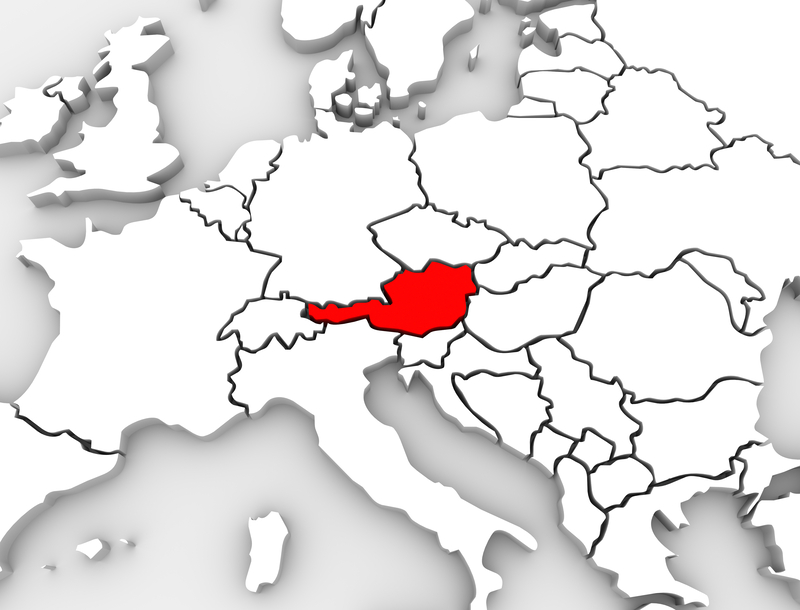
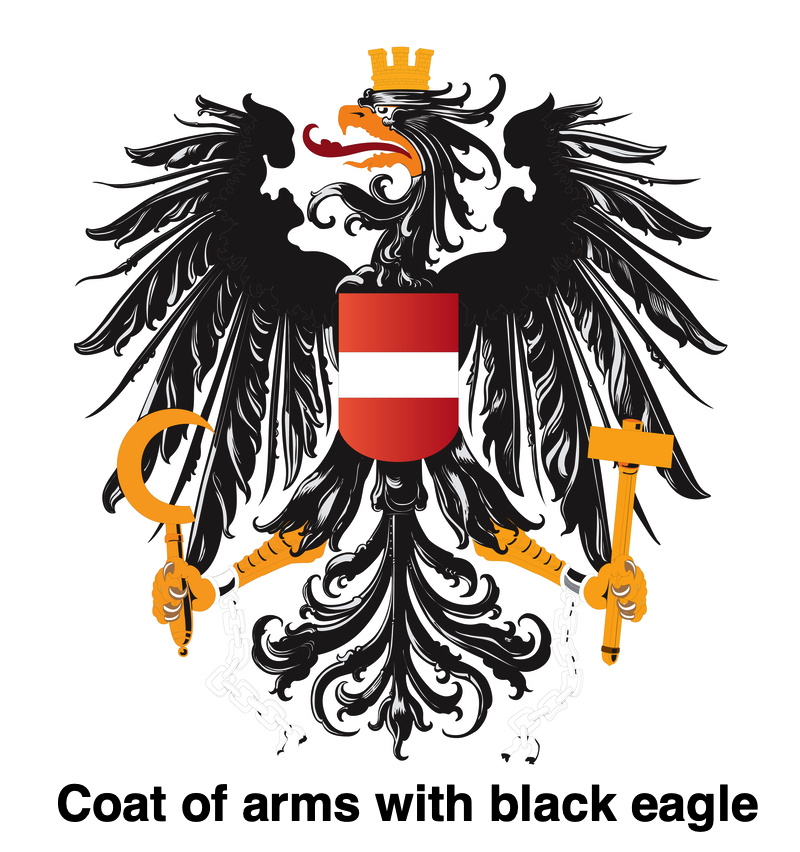
From Countries for Kids: "Austria is a landlocked country in Central Europe. The majority of Austria is a mountainous and forested country. The northeastern part of Austria contains lowlands. Vienna has long been considered the music capital of Europe... Many famous composers, including Johan Strauss, Wolfgang Amadeus Mozart, [Ludwig van Beethoven ~GD] and Joseph Haydn all lived and taught in Vienna." --read more
| Level | Name | Sheet music | Audio |
| 2 | In the Austrian Alps In den österreichischen Alpen |
|
|
| 2 | The Blue Danube Waltz An der schönen blauen Donau |
|
|
| 4 | Oh, My Dear Augustine O, du lieber Augustin |
|
|
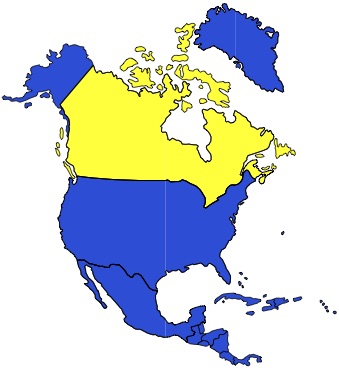
From National Geographic: "Canada is a vast and rugged land. From north to south it spans more than half the Northern Hemisphere. It is the second largest country in the world, but it has only one-half of one percent of the world's population. Descendents of British and French immigrants make up about half the population. First Nations peoples make up about four percent." --read more
| Level | Name | Sheet music | Audio |
| First Pieces |
Once a Small Green Mousie Une Souris Verte |
|
|
| Primer | The Lark Alouette |
|
|
| 1 | Can You Plant your Cabbage So? Savez-Vous Planter les Choux? |
|
|
| 1 | How They Dance, Dance, Dance Ainsi Font, Font, Font |
|
|
| 1 | Oh There Was Once a Little Ship Il était un petit navire |
|
|
| 2 | By Crystal Spring Waters À la Claire Fontaine |
|
|
| 2 | Land of the Silver Birch Terre du bouleau blanc |
|
|
| 2 | Hear the Wind V'là l'bon vent |
|
|
| 3 | Head, Shoulders, Knees and Toes Tete, Epaules, Genoux et Pieds |
|
|
| 3 | The Canadian National Anthem O Canada! |
|
|
| 4 | Once a Canadian Lad Un Canadien Errant |
|
|
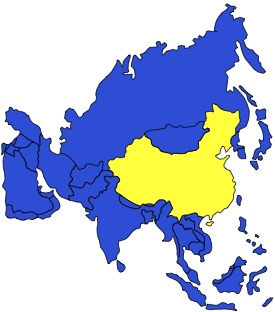
From National Geographic: "China is a large country with widely varying landscapes. The tallest mountain on Earth, Mount Everest, sits on the border between China and Nepal. With a population of 1.4 billion, China has more people than any other country on Earth." --read more
| Level | Name | Sheet music | Audio |
| 2 | Chinese Folk Song | |
|
| 3 | Chinese National Anthem March of the Volunteers |
|
|
| 4 | Little Swallow | |
|
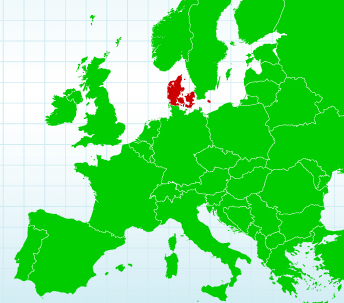
From National Geographic: "Denmark is a country in northern Europe. It is made up of the Jutland Peninsula and more than 400 islands in the North Sea. The people of Denmark are known as Danes. They are Nordic Scandinavians, many of which are blond, blue-eyed, and tall. Danes have one of the highest standards of living in the world. " --read more
| Level | Name | Sheet music | Audio |
| 2 | Now it's Christmas Again Nu' det jul igen |
|
|
| 3 | Where the Road Makes a Turn Hist Hvor Vejen Slar Bugt |
|
|
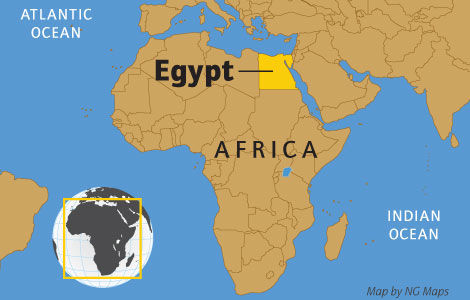
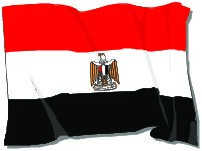
From National Geographic: "Without the Nile River, all of Egypt would be desert. Only about an inch (2.5 centimeters) of rain falls throughout Egypt each year. About 90 percent of Egyptians are Muslim, which means they are followers of the Islamic religion. About 10 percent of Egyptians are Copts, one of the oldest branches of the Christian religion. " --read more
| Level | Name | Sheet music | Audio |
| 3 | Egyptian National Anthem Bilady, Bilady, Bilady |
|
|
*England is not a sovereign country. It is part of Great Britain.
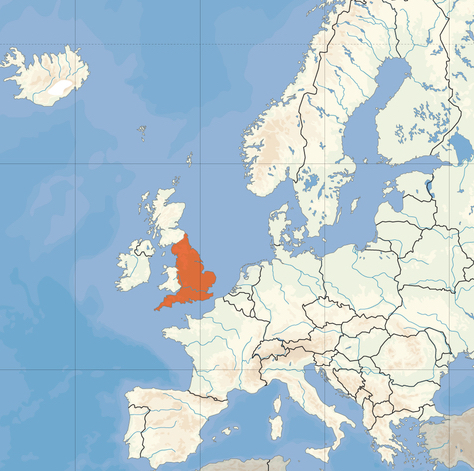
From Encyclopedia Britannica: "England is the largest of the four parts of the country called the United Kingdom. The other parts are Northern Ireland, Scotland, and Wales. The people of England are a mixture of many different ethnic groups. The early people were called Celts. Invaders from northern European countries came later, including Anglo-Saxon invaders from Germany, the Norse and the Danes. " --read more
| Level | Name | Sheet music | Audio |
| First Pieces |
The Donkey | |
|
| First Pieces |
Hot Cross Buns | |
|
| First Pieces |
Rain, Rain, Go Away --no staff lines |
|
|
| First Pieces |
Rain, Rain, Go Away --traditional notation |
|
|
| First Pieces |
Sweetly Sings the Donkey | |
|
| Primer | Amazing Grace | |
|
| Primer | The Chimes | |
|
| Primer | London Bridge | |
|
| Primer | Summer Is A-Comin' In" | |
|
| Primer | Twinkle, Twinkle, Little Star | |
|
| 1 | Billy Boy | |
|
| 1 | The Grand Old Duke of York | |
|
| 1 | The Muffin Man | |
|
| 2 | God Save the King | |
|
| 2 | In an English Country Garden | |
|
| 2 | My Bonnie Lies over the Ocean short version |
|
|
| 2 | My Bonnie Lies over the Ocean | |
|
| 3 | All in an Easter Garden | |
|
| 3 | For He's a Jolly Good Fellow | |
|
| 3 | Foggy, Foggy Dew | |
|
| 3 | God Save the King | |
|
| 3 | My Grandfather's Clock | |
|
| 3 | Sailing, Sailing | |
|
| 3 | Swing Low, Sweet Chariot | |
|
| 4 | Amazing Grace | |
|
| 4 | Frog went A-Courtin', A | |
|
| 4 | Greensleeves | |
|
| 4 | Scarborough Fair | |
|
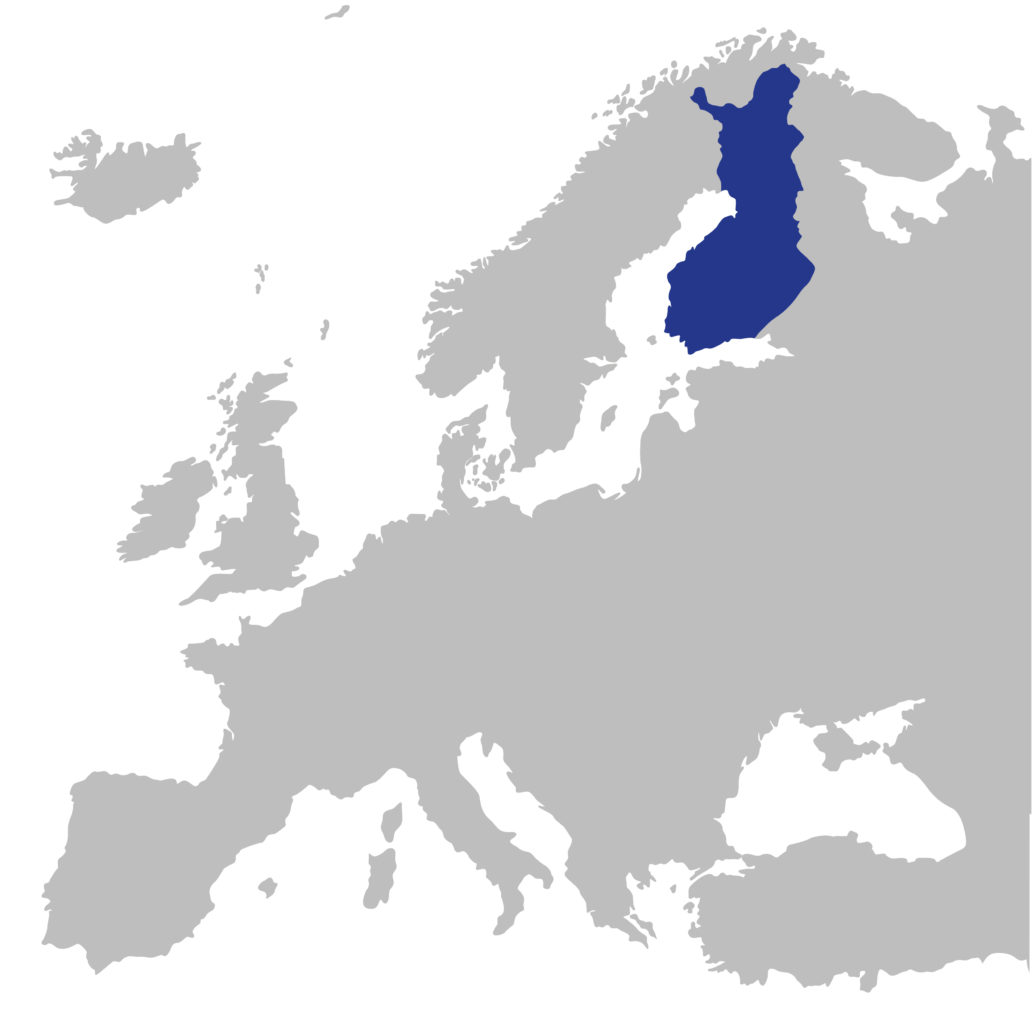
From National Geographic: "One of the world's northernmost nations, Finland is the most densely forested country in Europe. A majority of the people living in Finland were born and raised in the country, and nearly 90 percent of the population speaks Finnish. Finland is also home to the Sami, a herding people once known as the Lapps. They live in Lapland, where they herd reindeer." --read more
| Level | Name | Sheet music | Audio |
| 2 | Finlandia |
|
|
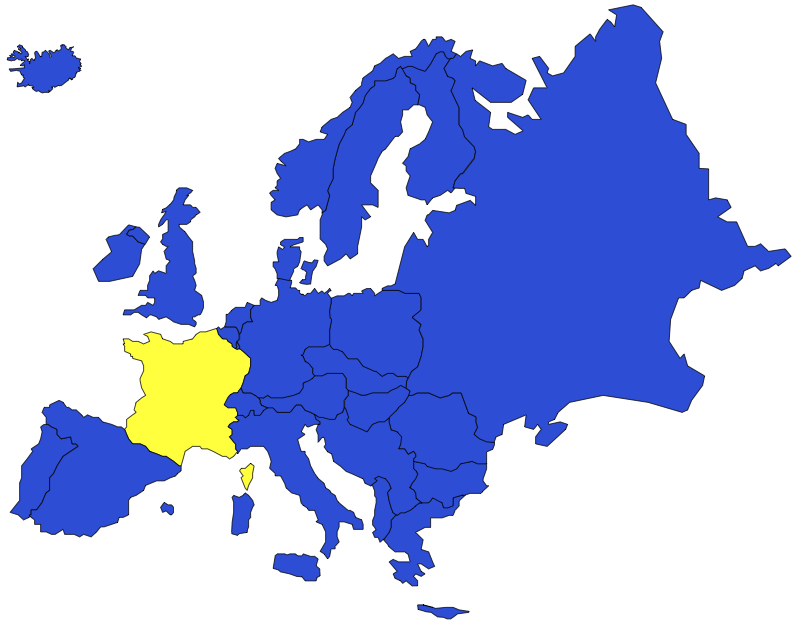
From National Geographic: "France, the largest country in Western Europe, has long been a gateway between the continent's northern and southern regions. France is one of the oldest nations on Earth and the most ethnically diverse country in Europe. These deep and broad influences have made France a world leader throughout history" --read more
| Level | Name | Sheet music | Audio |
| First Pieces |
By the Silv'ry Moonlight--no staffs Au Clair de la Lune |
|
|
| First Pieces |
By the Silv'ry Moonlight Au Clair de la Lune |
|
|
| First Pieces |
Away in the Deep Forest Dans la Forêt Lointaine |
|
|
| First Pieces |
Sleep, sleep, My Child's Asleep Do, Do, l'Enfant Dor |
|
|
| First Pieces |
Baby's Nap Fais Dodo |
|
|
| First Pieces |
The Joys of Love Plaisir d'amour |
|
|
| Primer | The Lark Alouette |
|
|
| Primer | Are You Sleeping? Frère Jacques |
|
|
| Primer | The Bells Les Cloches |
|
|
| Primer | Twinkle, Twinkle, Little Star Ah! vous dirai-je, maman |
|
|
| 1 | How They Dance, Dance, Dance Ainsi Font, Font, Font |
|
|
| 1 | Can You Plant your Cabbage So? Savez-Vous Planter les Choux? |
|
|
| 1 | Sleep, Sleep, My Child's Asleep Do, Do, l'Enfant Dor |
|
|
| 1 | Oh There Was Once a Little Ship Il était un petit navire |
|
|
| 2 | The Lovely Rose of Springtime Belle rose du printemps |
|
|
| 2 | By the Silv'ry Moonlight Au Clair de la Lune |
|
|
| 2 | There Once was a Young Sherpherdess Il était une bergère |
|
|
| 2 | Ye Knights of the Round Table Chevaliers de la table Ronde |
|
|
| 2 | Company of the Marjoram Compagnons de la Marjolaine |
|
|
| 2 | On the Bridge at Avignon Sur le Pont d'Avignon |
|
|
| 3 | By my fair one's side Auprès de ma Blonde |
|
|
| 3 | I Have Lost the Do on my Clarinet J'ai perdu le do de ma clarinette |
|
|
| 3 | French National Anthem La Marseillaise |
|
|
| 3 | Marlborough Is Going to War Malbrough s'en va-t-en guerre |
|
|
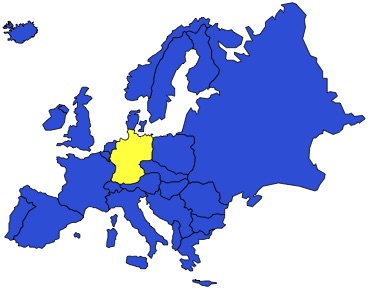
From National Geographic: "Germany's location at the heart of Europe has shaped its history both for good and bad. It borders nine neighbors, more than any other European country. Today almost one in every ten Germans comes from a foreign country. That is more than at any time in history. The largest minority are Turkish, who started coming in the 1950s to work." --read more
| Level | Name | Sheet music | Audio |
| 1 | Hansel and Gretel Hänsel und Gretel |
|
|
| 2 | You, You are in my Heart Du, Du Liegst mir im Herzen |
|
|
| 2 | Mighty Fortress is Our God, A Ein feste Burg ist unser Gott |
|
|
| 2 | Silent Night Stille Nacht |
|
|
| 3 | The Happy Wanderer Der fröhlich wanderer |
|
|
| 3 | My Hat, It Has Three Corners Mein hut der hat drei ecken |
|
|
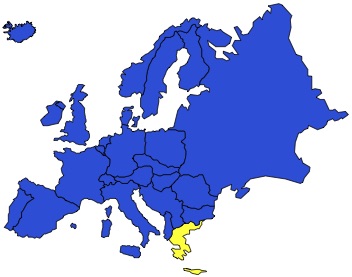
From National Geographic: "Greece has the longest coastline in Europe and is the southernmost country in Europe. Family life is a very important part of life in Greece. Children often live with their parents even after they get married. Greeks live long lives and it is thought that their varied diet of olives, olive oil, lamb, fish, squid, chickpeas, and lots of fruits and vegetables keep them healthy. " --read more
| Level | Name | Sheet music | Audio |
| Interm. 3 | Greek Festival: Dance a Kalamatianos! |
|
|
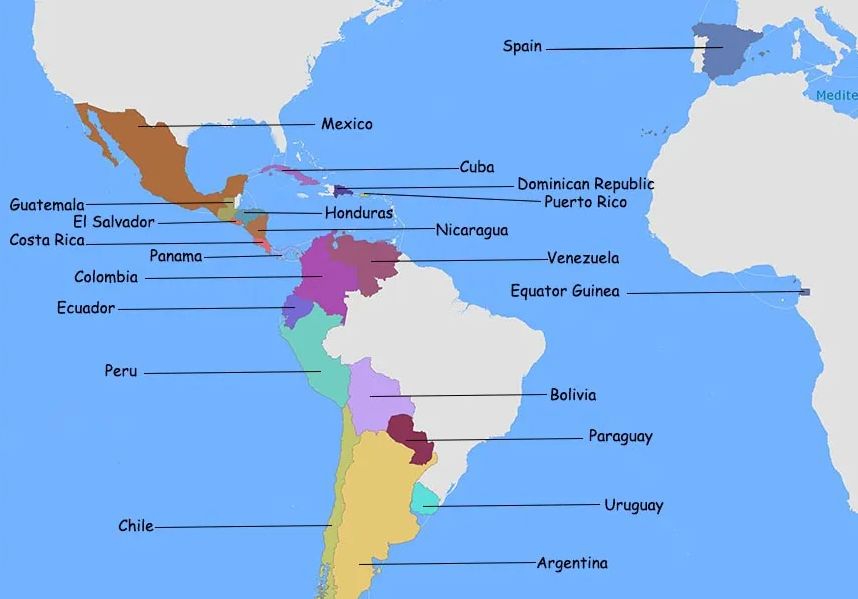
map from www.mappr.co/thematic-maps According to World Population Review "Hispanic is the language-based term and describes people from Spain or another Spanish-speaking country, including (to most) Equatorial Guinea in Africa, but not Portugal or Brazil (which both speak Portuguese). By comparison, Latino/a/x is location-based and includes anyone whose family originates from Latin America regardless of language spoken. Therefore, Latino includes Brazil, but not Spain or Portugal."
| Level | Name | Sheet music | Audio |
| First Pieces |
Mexican Hat Dance Jarabe Tapatío |
|
|
| Primer | La Bamba | |
|
| Primer | As I Stepped on Board Al pasar la barca |
|
|
| 1 | The Skull Calavera |
|
|
| 1 | The Cockroach La Cucaracha |
|
|
| 2 | La Bamba | |
|
| 2 | Rice with Milk Arroz con Leche |
|
|
| 2 | The Chicks Los Pollitos |
|
|
| 2 | Mexican Hat Dance Jarabe Tapatío |
|
|
| 4 | Beautiful Sky Cielito Lindo |
|
|
| 4 | All in Colors De Colores |
|
|
| 4 | Guantanamera Guantanamera |
|
|
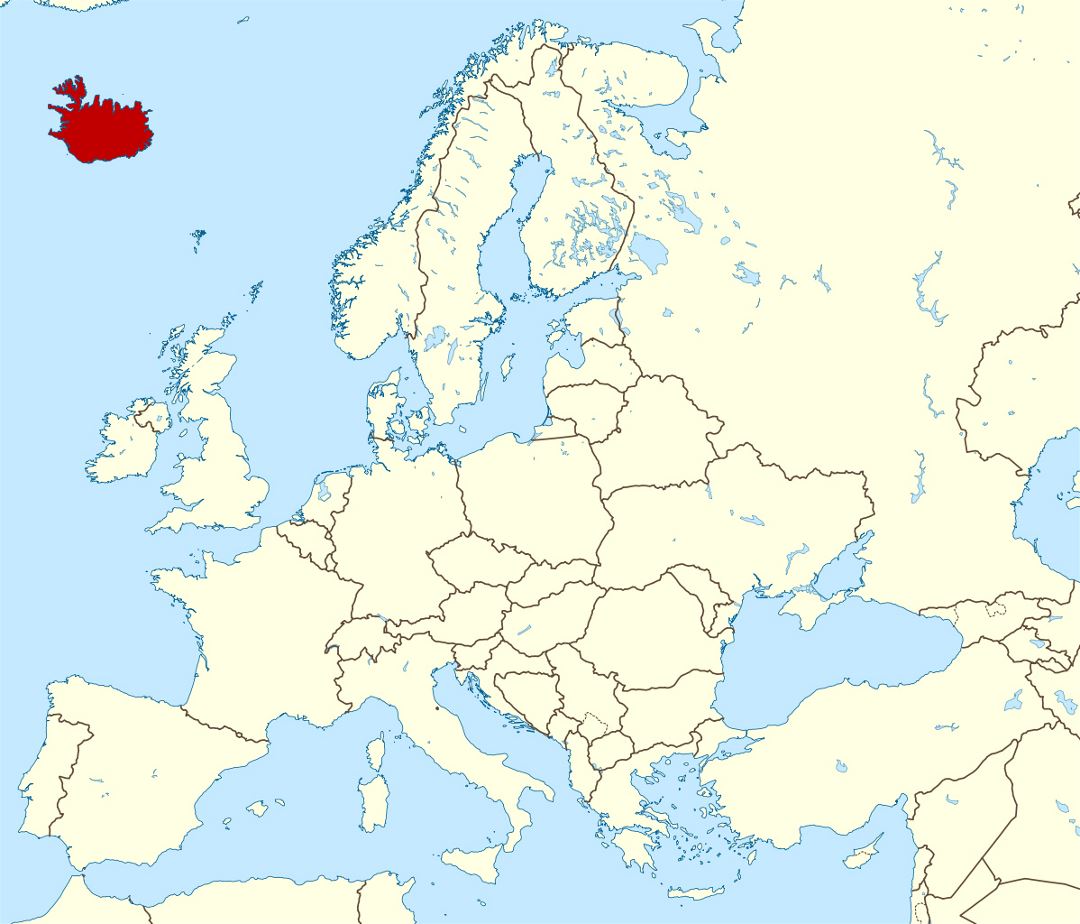
From National Geographic: "Iceland is a small island nation that is Europe's westernmost country and home to the world's northernmost capital, Reykjavik. A volcanic island, Iceland experiences severe volcanic activity. School is free for all Icelanders all the way through college. Every student is taught to speak both Danish and English in school." --read more
| Level | Name | Sheet music | Audio |
| 3 | Sleep, Oh Sleep My Little One Sofðu unga ástin mín |
|
|
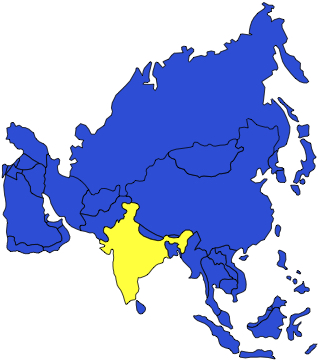
From National Geographic: "India is part of the continent of Asia. Most of India forms a peninsula, which means it is surrounded by water on three sides. The world's highest mountain range, the Himalaya, rises in the north. India is a very spiritual country. It has no official religion, but more than 80 percent of Indians are Hindu. About 13 percent are Muslim." --read more
| Level | Name | Sheet music | Audio |
| First Pieces |
Bullock Cart | |
|
| 1 | Bullock Cart | |
|
| 1 | Hindi Counting Song Dhobi Aaya |
|
|
| 1 | Indian National Anthem Jana-Gana-Mana |
|
|
| 3 | Riding Round the Well | |
|
| 4 | Indian National Anthem Jana-Gana-Mana |
|
|
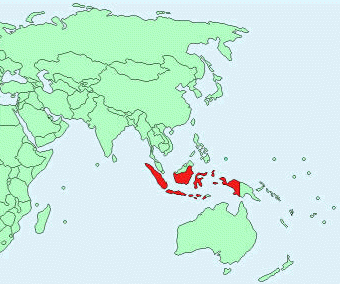
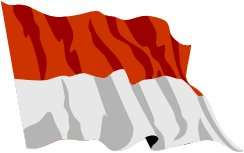
From Encyclopedia Britannica: "The country of Indonesia is made up of about 17,500 islands. It is the largest country, both in area and in population, in Southeast Asia. Most of the islands are mountainous. Indonesia has many active volcanoes, including the famous Krakatoa. The area is also known for earthquakes. Indonesia's climate is hot and humid." --read more
| Level | Name | Sheet music | Audio |
| 2 | When I Wake Bangun Tidur |
|
|
| 3 | National Anthem of Indonesia Indonesia Raya |
|
|
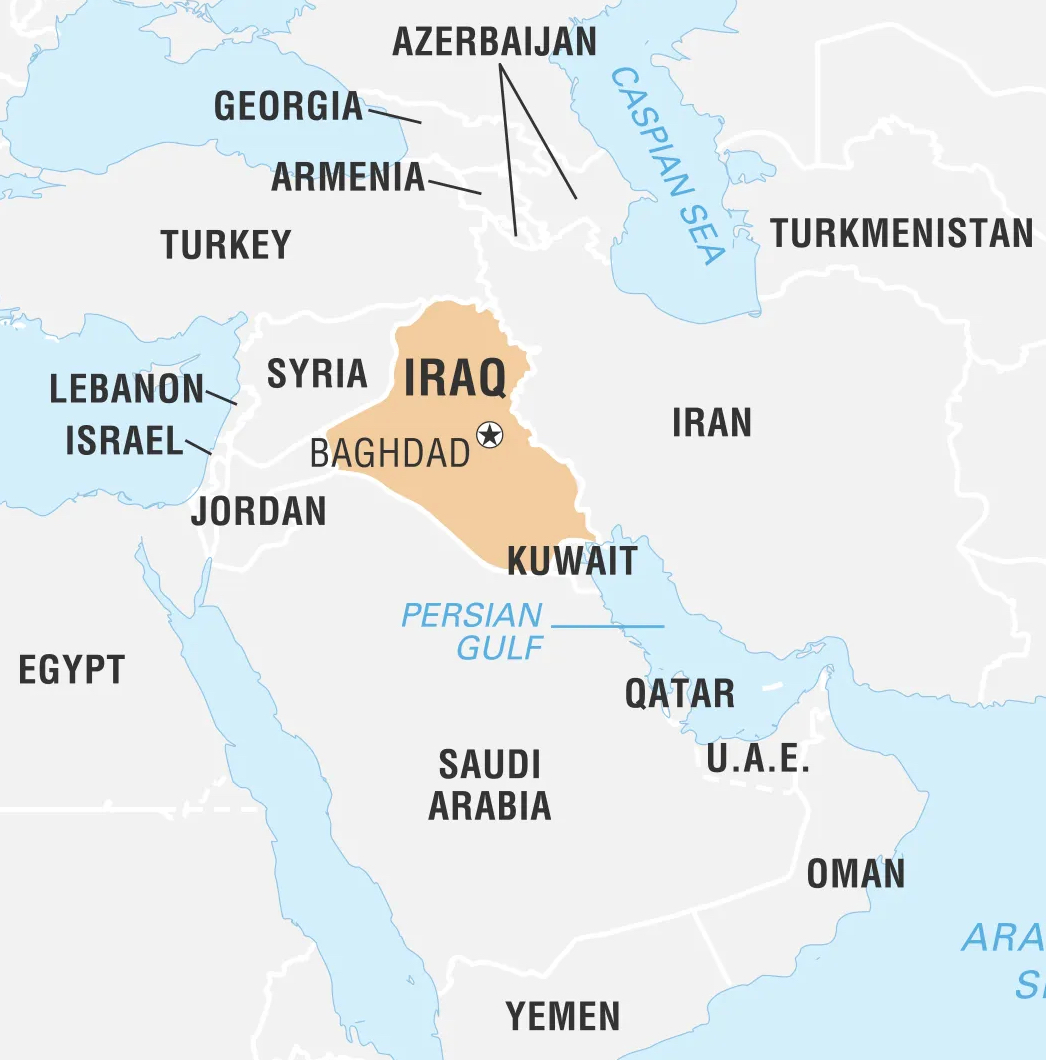
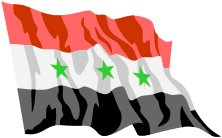
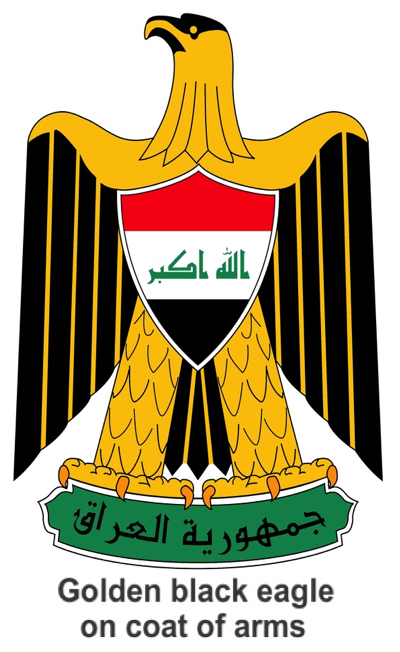
From National Geographic: "Iraq is dominated by two famous rivers: the Tigris and the Euphrates. Many parts of Iraq are harsh places to live. Rocky deserts cover about 40 percent of the land. Another 30 percent is mountainous with bitterly cold winters. Much of the south is marshy and damp. Most Iraqis live along the fertile plains of the Tigris and Euphrates." --read more
| Level | Name | Sheet music | Audio |
| 3 | A Song for the Virgin Mary Shuha D-Maryam |
|
|
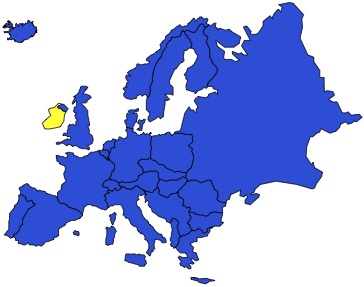
From National Geographic: "Ireland is an island nation on the westernmost edge of Europe. Ireland is known for its wide expanses of lush, green fields. In fact, its nickname is the Emerald Isle. But there are also large areas of rugged, rocky landscape. Ireland is a nation of storytellers. The tradition dates back to Celtic bards, who would record and recite the country's history." --read more
| Level | Name | Sheet music | Audio |
| 2 | The Irish Washerwoman | |
|
| 3 | Molly Malone | |
|
| 3 | Wild Mountain Thyme (Go Lassie Go) |
|
|
| 4 | Come Back to Erin | |
|
| 4 | Danny Boy | |
|
| 4 | Nation Once Again, A | |
|
| Intermed. 1 | Parting Glass, The | |
|
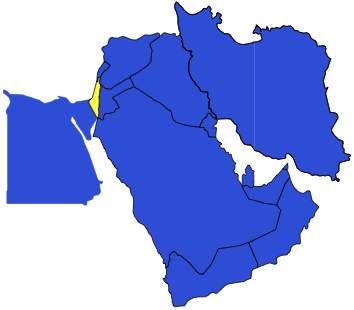
From National Geographic: "Israel is a small country in the Middle East about the size of the state of New Jersey. Israel's population is about 74 percent Jewish; most of the rest of the population is Muslim, people who follow the religion of Islam. Most Muslims live in the Occupied Territories [of Palestine --GDB]. Jerusalem, the capital of Israel, is considered a holy city by Jews, Muslims, and Christians alike." --read more
| Level | Name | Sheet music | Audio |
| 2 | Debka Druze Debka Druze |
|
|
| 3 | An Israeli Dance / Zemer Atik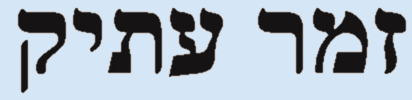 |
|
|
| 4 | Evening Falls Erev Ba |
|
|
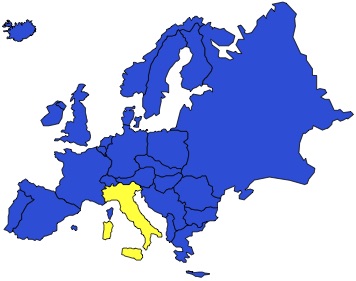
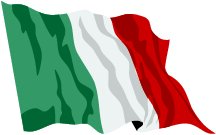
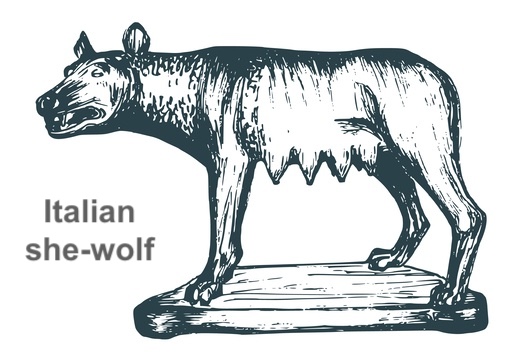
From National Geographic: "Italy is a boot-shaped peninsula that juts out of southern Europe into the Mediterranean Sea. Its location has played an important role in its history. Since the rise of the Roman Empire, Italian art, architecture, and culture have had an influence around the world. Famed Italian painters include Leonardo da Vinci and Michelangelo. Italy is also at the heart of the Catholic Church." --read more
| Level | Name | Sheet music | Audio |
| First Pieces |
Whirling 'Round and 'Round Giro, giro tondo |
|
|
| Primer | Neapolitan Tarantella Tarantella Napoletana |
|
|
| Primer | Oh How Well You Dance my Little Girl Ma come balli bene bella bimba |
|
|
| Primer | Chorus of the Hebrew Slaves Va, pensiero |
|
|
| Primer | At the Song of the Cuckoo Al canto del cucù |
|
|
| Primer | Beautiful, Goodbye Bella Ciao |
|
|
| 2 | Feather in our Hat, A Sul cappello |
|
|
| 2 | The Lovely Rose of Springtime Belle rose du printemps |
|
|
| 2 | Italian Lullaby Fa la ninna |
|
|
| 2 | Oh How Well You Dance You Pretty Girl Ma come balli bene bella bimba (La Villanella) |
|
|
| 3 | The Shepherdess (In the Shade of a Hedge) La Pastora (A l'umbreta del bussun) |
|
|
| 3 | On Bassano's Bridge Sul ponte di Bassano |
|
|
| 3 | Chorus of the Hebrew Slaves Va, pensiero |
|
|
| 4 | Neapolitan Tarantella Tarantella Napoletana |
|
|
| 4 | See How the Night Arrives Voici Venir la Nuit |
|
|
| Interm. 1 | The Wind Blows Fischia il vento |
|
|
| Interm. 1 | That Little Mountain Bouquet Quel mazzolin' di fiori |
|
|
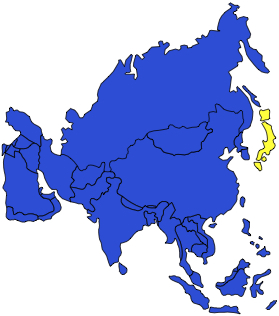
From National Geographic: "Japan is an archipelago, or string of islands, on the eastern edge of Asia. Japan can be a dangerous place. Three of the tectonic plates that form Earth's crust meet nearby and often move against each other, causing earthquakes. Japanese food is very different from food in Western countries. There is lots of rice, fish, and vegetables, but little meat." --read more
| Level | Name | Sheet music | Audio |
| 3 | Cherry Blossoms Sakura |
|
|
| Interm. 2 | Bright Are the Leaves of Autumn Momiji |
|
|
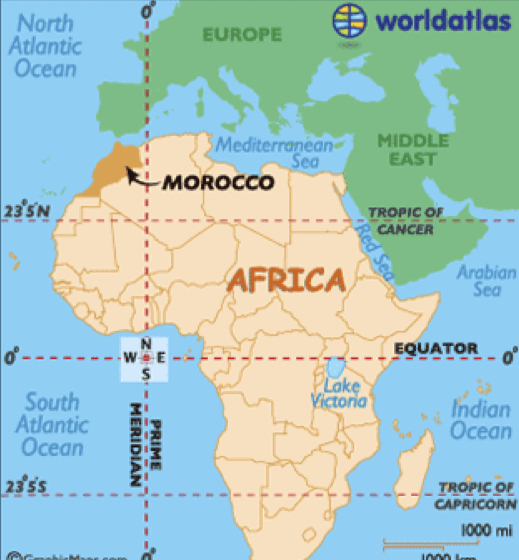
From National Geographic: "Morocco is located in the northwest corner of Africa and is bordered by the North Atlantic Ocean and the Mediterranean Sea. Moroccans are Berber and Arab and most of the people are Muslim. The Berbers have been in North Africa for centuries. Many of the Berber people live in the mountains and still speak the Berber language, but today they are moving to cities to find work. " --read more
| Level | Name | Sheet music | Audio |
| 1 | A Ram Sam Sam | |
|
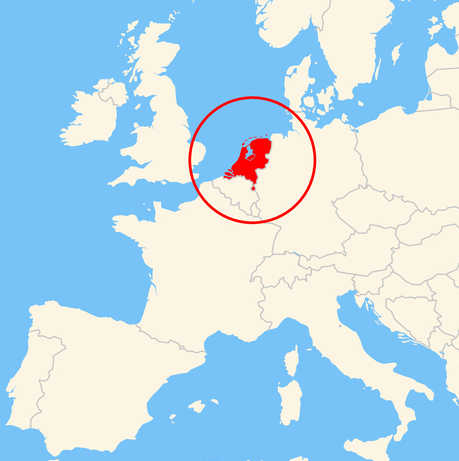
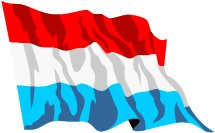
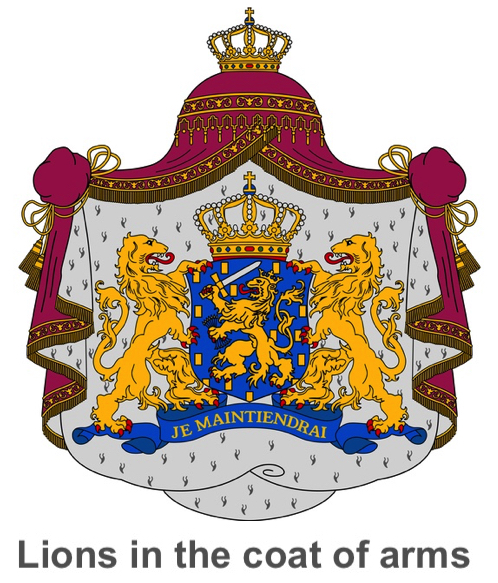
From National Geographic: "The Netherlands is a small country sandwiched between Belgium and Germany in Western Europe. The North Sea, located to the north and west of the Netherlands, is continually battering the land. The Dutch have a saying: "God made the Earth, but the Dutch made Holland." The North Sea would have washed away the Netherlands if the Dutch had not erected defenses to protect their land." --read more
| Level | Name | Sheet music | Audio |
| Primer | We Gather Together | |
|
| 2 | On a Giant Mushroom Op een grote paddestoel |
|
|
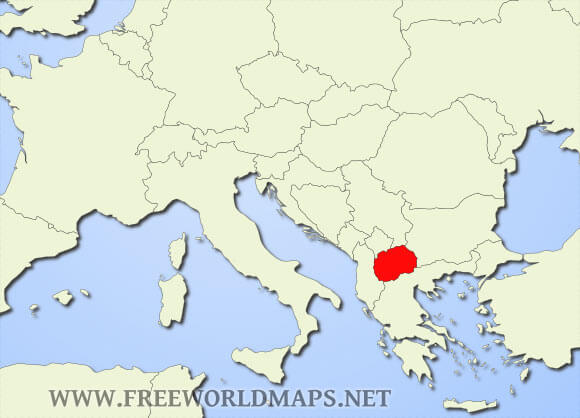
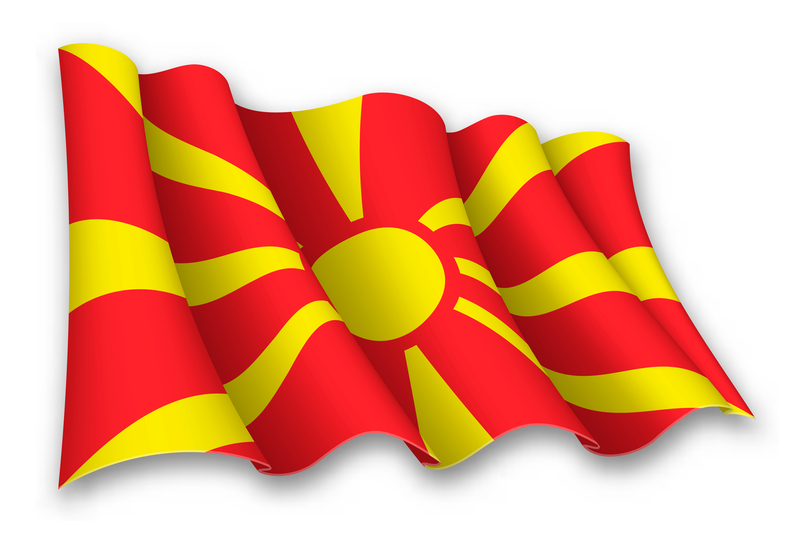
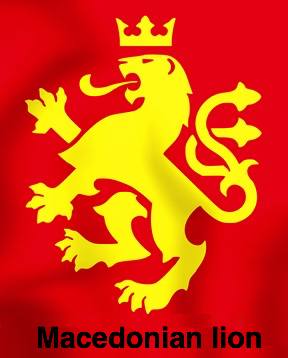
From Encyclopedia Britannica: "The Republic of North Macedonia is a small country in southeastern Europe. It is part of a region called the Balkans. Most of the people are ethnic Macedonians. They speak Macedonian, a language related to Bulgarian. More than half of the people are Eastern Orthodox Christians. Nearly one-third of the people are Muslims." --read more
| Level | Name | Sheet music | Audio |
| 3 | Bitola (the city of) Bitola |
|
|
| Interm. 1 | Bitola (the city of) Bitola |
|
|
*Palestine is not a sovereign country. It is a territory of Israel.
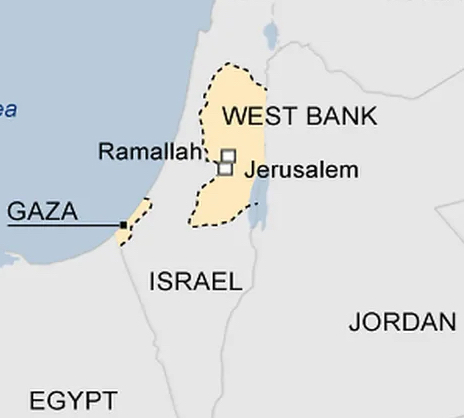
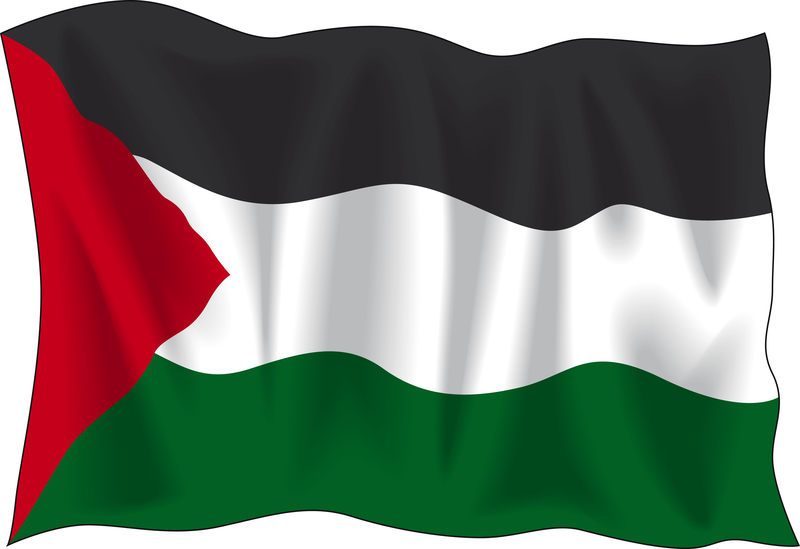
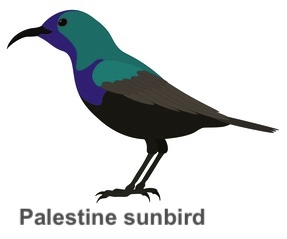
From National Geographic: "Palestine is a region in the Middle East. It lies between the Jordan River and the Mediterranean Sea. Many different peoples have lived in Palestine over thousands of years. In 1948 most of Palestine became part of the country of Israel. Since then, the region has experienced bitter fighting between Palestinian Arabs, who are mostly Muslims, and Israelis, who are mostly Jews." --read more
| Level | Name | Sheet music | Audio |
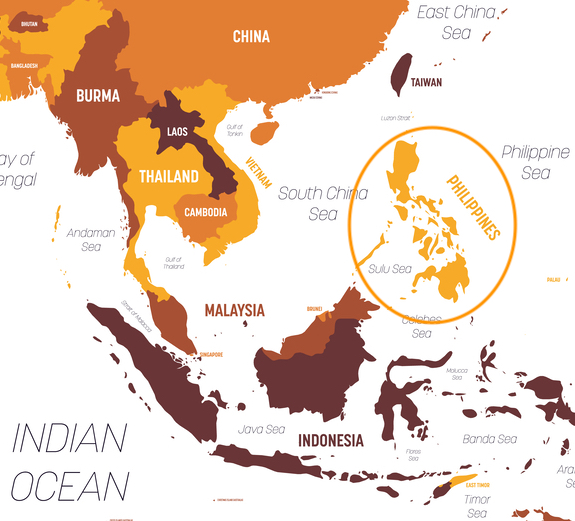
From National Geographic: "The Philippines is an archipelago, or string of over 7,100 islands, in southeastern Asia. Filipinos are predominantly of Malay descent, frequently with Chinese and sometimes American or Spanish ancestry. Many Filipinos have Spanish names because of a 19th-century Spanish decree that required them to use Spanish surnames, or last names." --read more
| Level | Name | Sheet music | Audio |
| Primer | Tinikling (dance with bamboo poles) Tinikling |
|
|
| Primer | My Palm Leaf Hut Bahay Kubo |
|
|
| 2 | My Palm Leaf Hut Bahay Kubo |
|
|
| 3 | National Anthem of The Philippines Lupang Hinirang |
|
|
| Intermed. 3 | Tinikling (dance with bamboo poles) Tinikling |
|
|
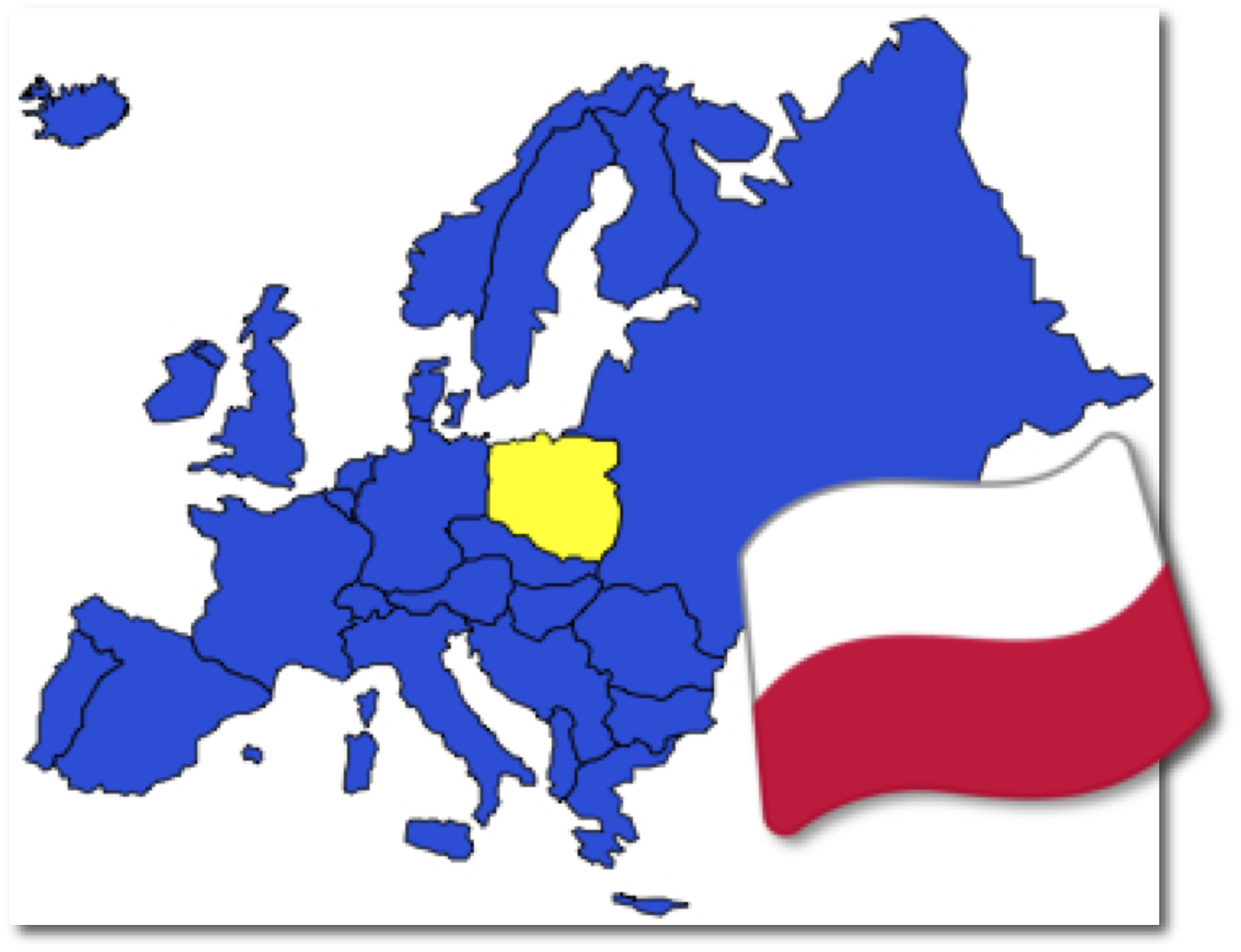
From National Geographic: "Poland is located at the heart of the European continent . As such the country has been a meeting place for many cultures and ideas. Religion is a very important part of Polish life. The majority of the population (about 87 percent) is Roman Catholic. In 1978, Cardinal Karol Wojtyla, archbishop of Krakow, became the first-ever Polish pope, John Paul II." --read more
| Level | Name | Sheet music | Audio |
| 1 | Oh My Rosemary Flower O mòj rozmarynie |
|
|
| 1 | Springtime Wiosna |
|
|
| 3 | The Campfire Plonie ognisko i szumia knieje |
|
|
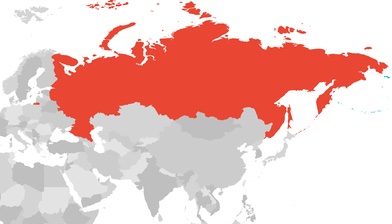
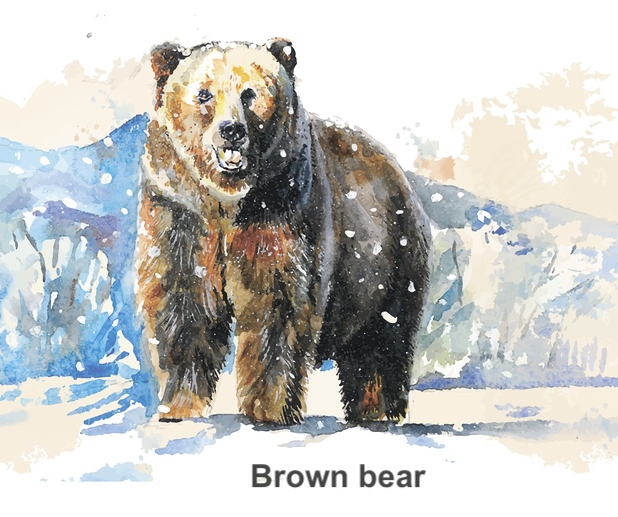
From National Geographic: "Russia, the largest country in the world, occupies one-tenth of all the land on Earth. It spans 11 time zones across two continents (Europe and Asia). There are about 120 ethnic groups in Russia who speak more than a hundred languages. Roughly 80 percent of Russians trace their ancestry to the Slavs. Russia is known all over the world for its thinkers and artists, including writers like Leo Tolstoy and composers such as Pyotr Ilyich Tchaikovsky." --read more
| Level | Name | Sheet music | Audio |
| First Pieces |
(In the Field) a Birch Tree Stood | |
|
*Scotland is not a sovereign country. It is part of the United Kingdom.
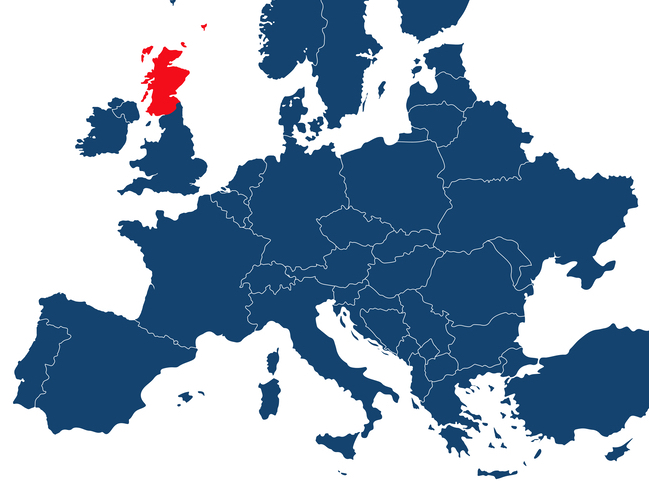
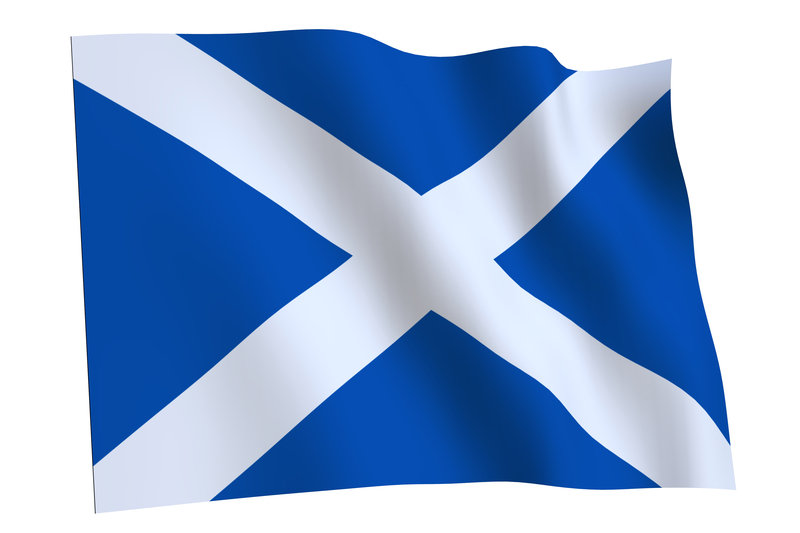
From National Geographic: "Scotland is a part of the United Kingdom, a country of western Europe. The other parts of the United Kingdom are England, Wales, and Northern Ireland. Scotland covers the northern third of the island of Great Britain. The Scots fought many wars to keep their independence from England. In 1707, however, Scotland was joined to England, and the entire island became a single kingdom, " --read more
| Level | Name | Sheet music | Audio |
| First Pieces |
Auld Lang Syne | |
|
| First Pieces |
The Skye Boat Song/"Outlander" theme song | |
|
| Primer | The Bonnie Banks of Loch Lomond | |
|
| Primer | I Love a Lassie | |
|
| Primer | Loch Lomond | |
|
| 2 | Did You Ever See a Lassie? | |
|
| 2 | The Skye Boat Song/"Outlander" theme song | |
|
| 3 | The Bluebells of Scotland | |
|
| 3 | The Skye Boat Song/"Outlander" theme song | |
|
| 4 | The Bonnie Banks of Loch Lomond | |
|
| 4 | Flow Gently Sweet Afton | |
|
| 4 | Frog went A-Courtin', A | |
|
| 4 | Loch Lomond | |
|
| Intermed. 1 | Parting Glass, The | |
|
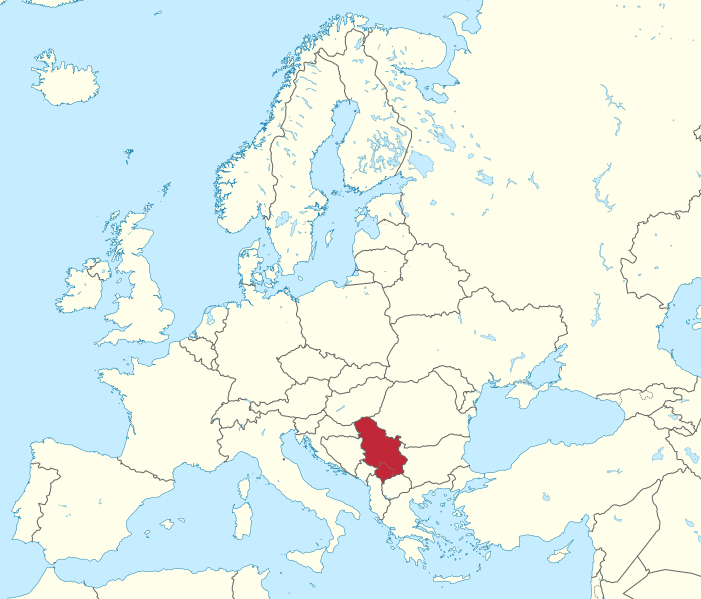
From National Geographic: "Serbia is a country in southeastern Europe. It was a republic, or state, of the country of Yugoslavia for much of the 1900s. In the 1990s all of Yugoslavia's republics except Serbia and Montenegro became independent countries. The two remaining republics formed a new country called Serbia and Montenegro in 2003. However, Montenegro declared its independence in 2006. " --read more
| Level | Name | Sheet music | Audio |
| Primer | Šana Dear Šano Dušo |
|
|
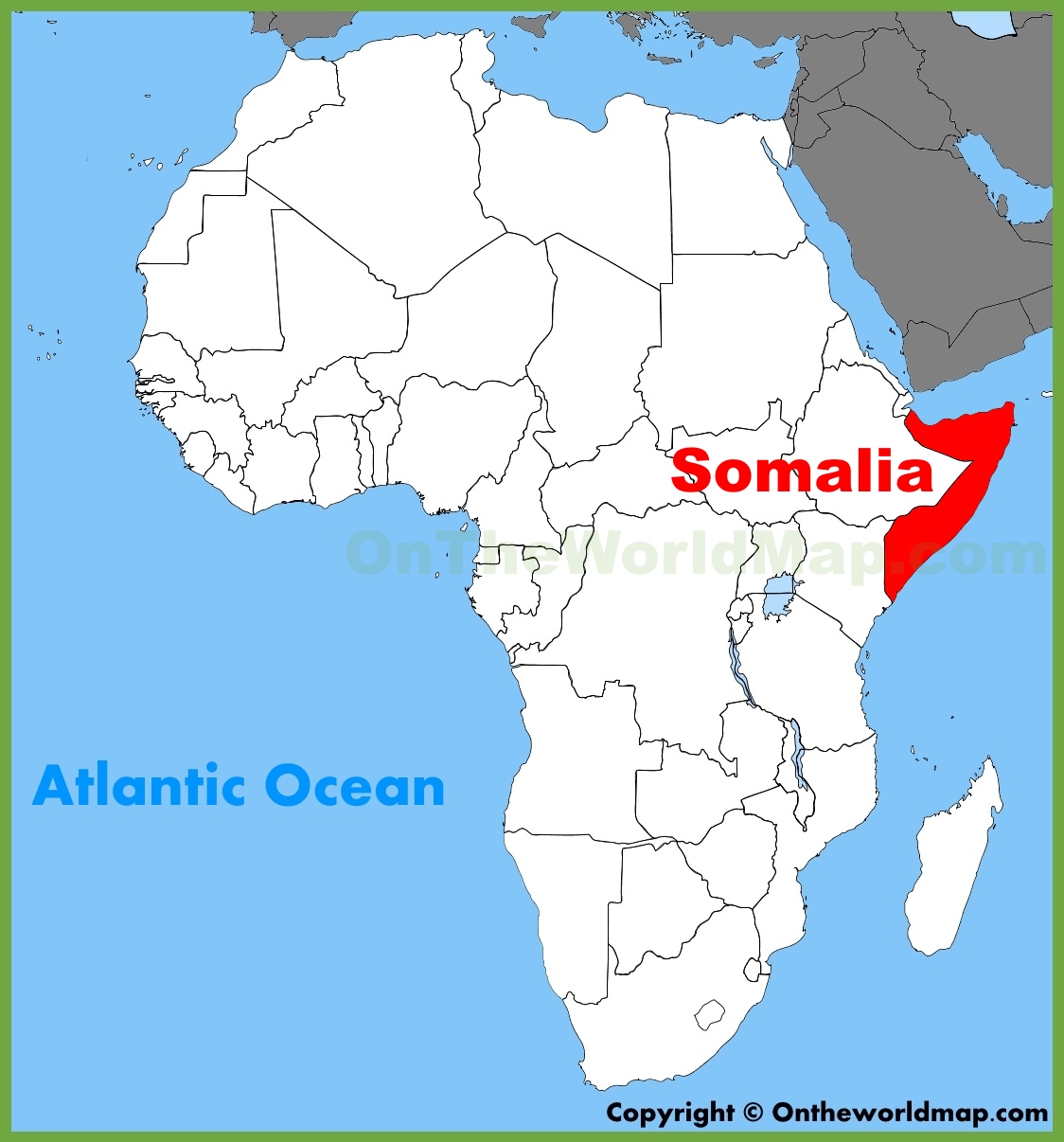
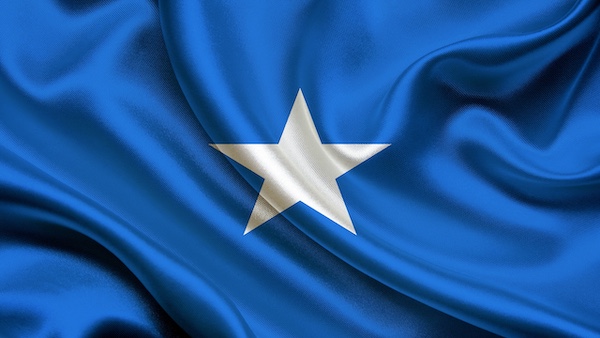
From Encyclopedia Britannica: "The country of Somalia in northeastern Africa is a hot and dry land. To survive in this difficult environment, many of the people follow a nomadic, or wandering, lifestyle. Almost all the people are Somalis. The Somalis are divided into many clans, or groups of related families. Small groups of Bantus and Arabs also live in the country. Nearly everyone is Muslim. Somalia is one of the poorest countries in the world. Its economy is based on livestock raising and farming." --read more
| Level | Name | Sheet music | Audio |
| 2 | Hey Jama (Variation on Frère Jacques) Warya Djama |
|
|
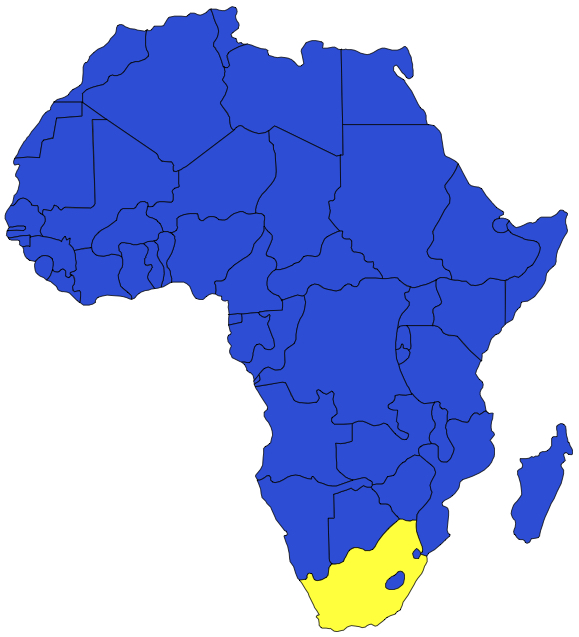
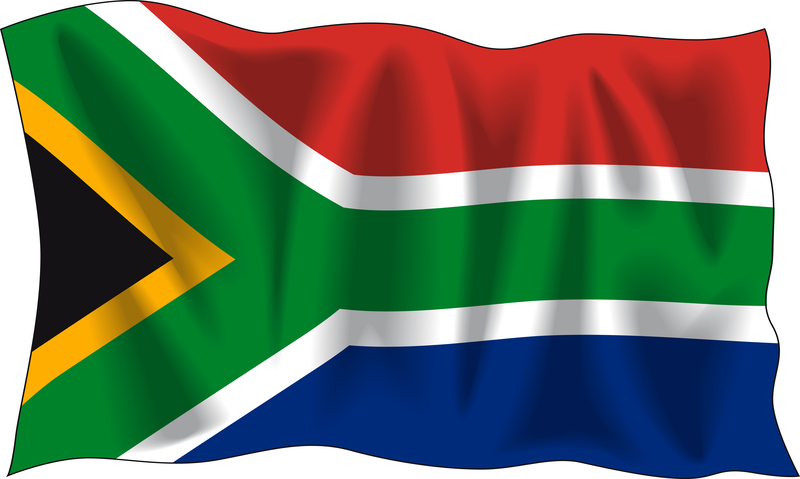
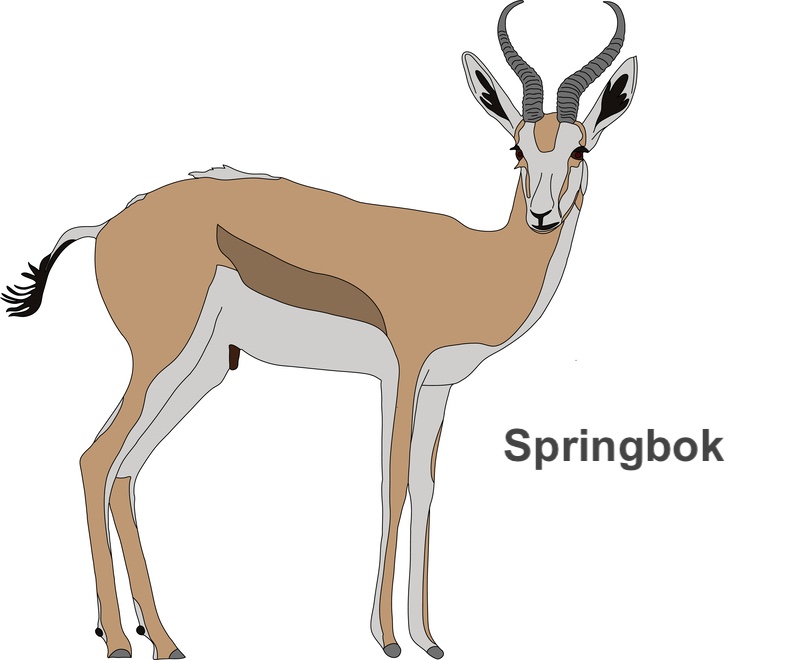
From National Geographic: "Many different peoples make up South Africa, each with their own language and history. The country has 11 official languages and many more unofficial ones. This colorful mix of cultures gives South Africa its nickname "rainbow nation." From aardvarks to zebras, South Africa is full of wildlife. The country takes up only about one percent of Earth's land surface, but is home to almost 10 percent of the world's known bird, fish, and plant species " --read more
| Level | Name | Sheet music | Audio |
| 2 | Thina Singu (Tina Singu) | |
|
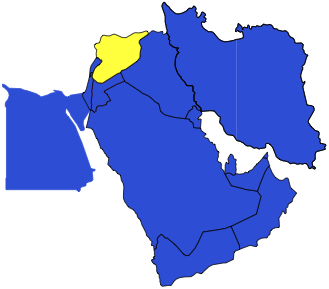
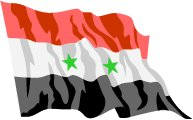
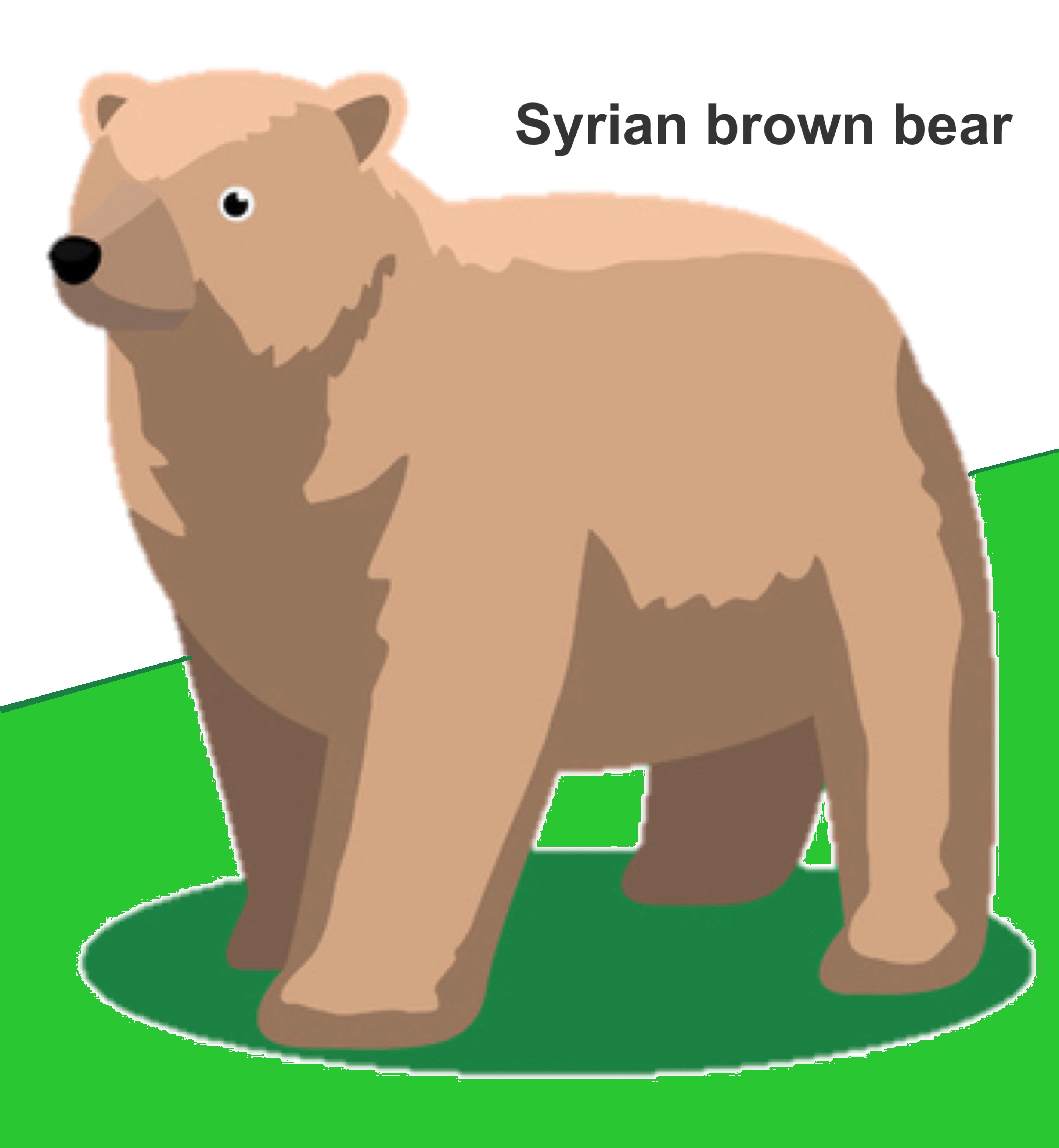
From National Geographic: "This Middle Eastern country is home to some of the oldest cities in the world. Most of the Syrian population are Arab, or originally from the Arabian Peninsula and its neighboring territories. Minority groups living in the country include the Kurds, an ethnic group from a mountainous region called Kurdistan. Most Syrians are Muslim, or people who practice Islam. " --read more
| Level | Name | Sheet music | Audio |
| 3 | Lullaby Yalla Tnam |
|
|
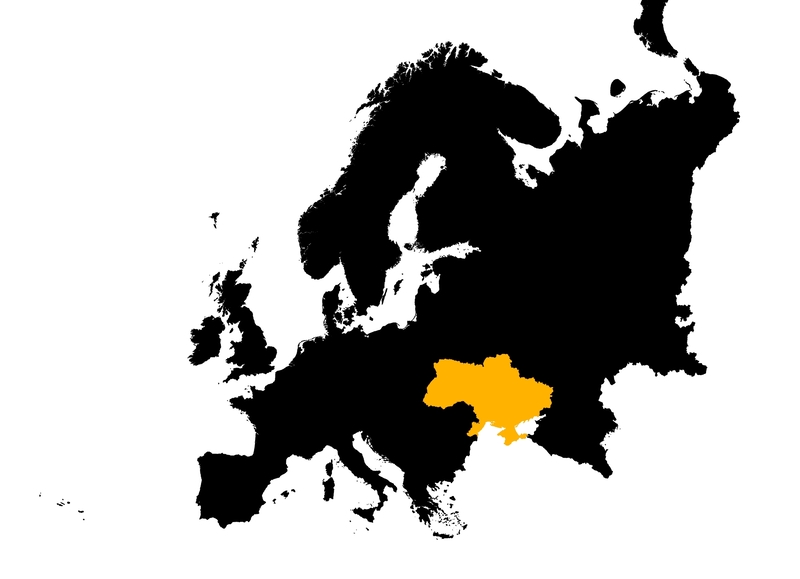
From National Geographic: "Located in eastern Europe, Ukraine is the second-largest country on the European continent after Russia. Most people are native Ukrainians, with Russians making up the next largest group. In February 2022, Russia's president, Vladimir Putin announced an invasion on the country and sent troops to take over major cities, including (unsuccessfully) the capital, Kyiv. " --read more
| Level | Name | Sheet music | Audio |
| Primer | Ukrainian National Anthem, beginning | |
|
| Primer | Sea Shells by the Shore | |
|
| 3 | Did You Trick Me? (or: You Tricked Me) | |
|
| 3 or 4 | Ukrainian National Anthem | |
|
| 4 | Carol of the Bells | |
|
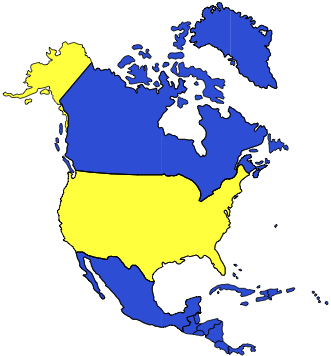
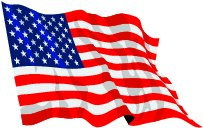
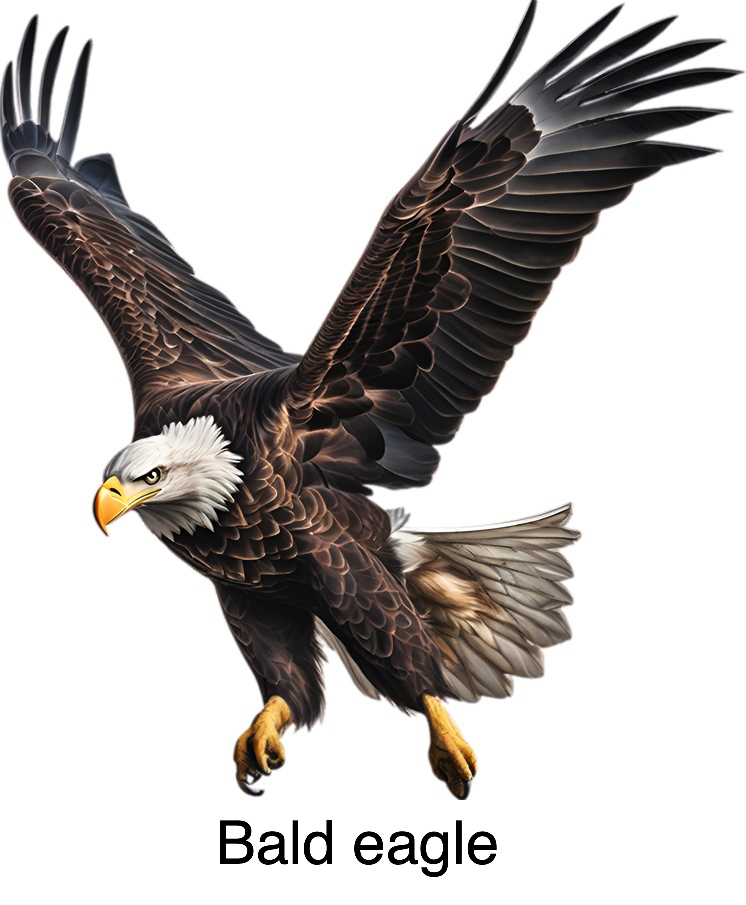
From National Geographic: "The United States of America is the world's third largest country in size and nearly the third largest in terms of population. Throughout its history, the United States has been a nation of immigrants. The population is diverse with people from all over the world seeking refuge and a better way of life. The landscape varies across the large country from tropical beaches in Florida to peaks in the Rocky Mountains, from rolling prairie lands and barren deserts in the West to dense wilderness areas in the Northeast and Northwest." --read more
| Level | Name | Sheet music | Audio |
| First Pieces |
A Tisket, A Tasket | |
|
| First Pieces |
Aura Lee | |
|
| First Pieces |
Banks of the Ohio | |
|
| First Pieces |
The Donkey | |
|
| First Pieces |
Go Tell Aunt Rhody | |
|
| First Pieces |
Hot Cross Buns | |
|
| First Pieces |
Jingle Bells (Short Version) | |
|
| First Pieces |
Love Me Tender | |
|
| First Pieces |
Mary Had a Little Lamb | |
|
| First Pieces |
Rain, Rain, Go Away --no staff lines |
|
|
| First Pieces |
Rain, Rain, Go Away --traditional notation |
|
|
| First Pieces |
Row, Row, Row your Boat | |
|
| First Pieces |
Sweetly Sings the Donkey | |
|
| Primer | Arkansas Traveler | |
|
| Primer | Baby Bumble Bee | |
|
| Primer | Banks of the Ohio | |
|
| Primer | Bingo | |
|
| Primer | Clementine | |
|
| Primer | Down Came a Lady | |
|
| Primer | The Erie Canal | |
|
| Primer | Found a Peanut | |
|
| Primer | Goodbye Julie | |
|
| Primer | Goodbye Old Paint | |
|
| Primer | Gray Squirrel | |
|
| Primer | I've Been Working on the Railroad | |
|
| Primer | Jingle Bells | |
|
| Primer | London Bridge | |
|
| Primer | Oh, When the Saints | |
|
| Primer | Old MacDonald | |
|
| Primer | Row, Row, Row your Boat | |
|
| Primer | Such a Getting Upstairs | |
|
| Primer | There Were Three Jolly Fishermen | |
|
| Primer | There's a Hole in My Bucket | |
|
| Primer | Turkey in the Straw | |
|
| Primer | Twinkle, Twinkle, Little Star | |
|
| Primer | We Gather Together | |
|
| Primer | Yankee Doodle | |
|
| Primer | Yonder She Comes | |
|
| 1 | Do Your Ears Hang Low? | |
|
| 1 | America, the Beautiful | |
|
| 1 | Banks of the Ohio | |
|
| 1 | Billy Boy | |
|
| 1 | Do You Know the Muffin Man? | |
|
| 1 | Hickory Dickory Dock | |
|
| 1 | Hush, Little Baby | |
|
| 1 | I've Been Working on the Railroad (Practice in bass clef) |
|
|
| 1 | Jingle Bells | |
|
| 1 | John Jacob Jingleheimer Schmidt | |
|
| 1 | Lightly Row | |
|
| 1 | The Muffin Man | |
|
| 1 | Oh, When the Saints | |
|
| 1 | Soldier's Joy (duet) | |
|
| 1 | The Wheels on the Bus | |
|
| 2 | A Tisket, A Tasket | |
|
| 2 | America (My Country, 'Tis of Thee) | |
|
| 2 | Banks of the Ohio | |
|
| 2 | The Ballad of Casie Jones | |
|
| 2 | Coming 'Round the Mountain | |
|
| 2 | The Ghost of Tom | |
|
| 2 | Home on the Range | |
|
| 2 | House of the Rising Sun | |
|
| 2 | Jacob's Ladder | |
|
| 2 | John Henry | |
|
| 2 | Lazy Mary | |
|
| 2 | The More We Get Together | |
|
| 2 | My Bonnie Lies over the Ocean short version |
|
|
| 2 | My Bonnie Lies over the Ocean | |
|
| 2 | Oh When the Saints | |
|
| 2 | Old MacDonald | |
|
| 2 | Polly Wolly Doodle | |
|
| 2 | She'll Be Coming 'Round the Mountain | |
|
| 2 | Shoo Fly, Don't Bother Me | |
|
| 2 | Simple Gifts | |
|
| 2 | The Star-Spangled Banner | |
|
| 2 | Steal Away to Jesus | |
|
| 2 | This Old Man | |
|
| 3 | The Battle Hymn of the Republic | |
|
| 3 | The Bear Went Over the Mountain | |
|
| 3 | Coming 'Round the Mountain | |
|
| 3 | Cripple Creek | |
|
| 3 | For He's a Jolly Good Fellow | |
|
| 3 | Go Down Moses | |
|
| 3 | Head, Shoulders, Knees and Toes | |
|
| 3 | In a Cabin in the Woods | |
|
| 3 | Jenny Jenkins | |
|
| 3 | My Grandfather's Clock | |
|
| 3 | The Old Gray Mare | |
|
| 3 | Old Joe Clark | |
|
| 3 | Over the River and Through the Woods | |
|
| 3 | Sailing, Sailing | |
|
| 3 | She'll Be Coming 'Round the Mountain | |
|
| 3 | Swing Low, Sweet Chariot | |
|
| 3 | Wabash Cannonball | |
|
| 3 | Wade in the Water | |
|
| 3 | When Johnny Comes Marching Home | |
|
| 3 | The Yellow Rose of Texas | |
|
| 4 | The Battle Hymn of the Republic | |
|
| 4 | Frog went A-Courtin', A | |
|
| 4 | He's Got the Whole World | |
|
| 4 | Home, Sweet Home | |
|
| 4 | House of the Rising Sun | |
|
| 4 | I've Been Working on the Railroad | |
|
| 4 | Solidarity Forever | |
|
| 4 | Stars and Stripes Forever, Trio | |
|
| 4 | When I First Came to this Land | |
|
| Interm. 1 | Shepherd's Wife Waltz | |
|
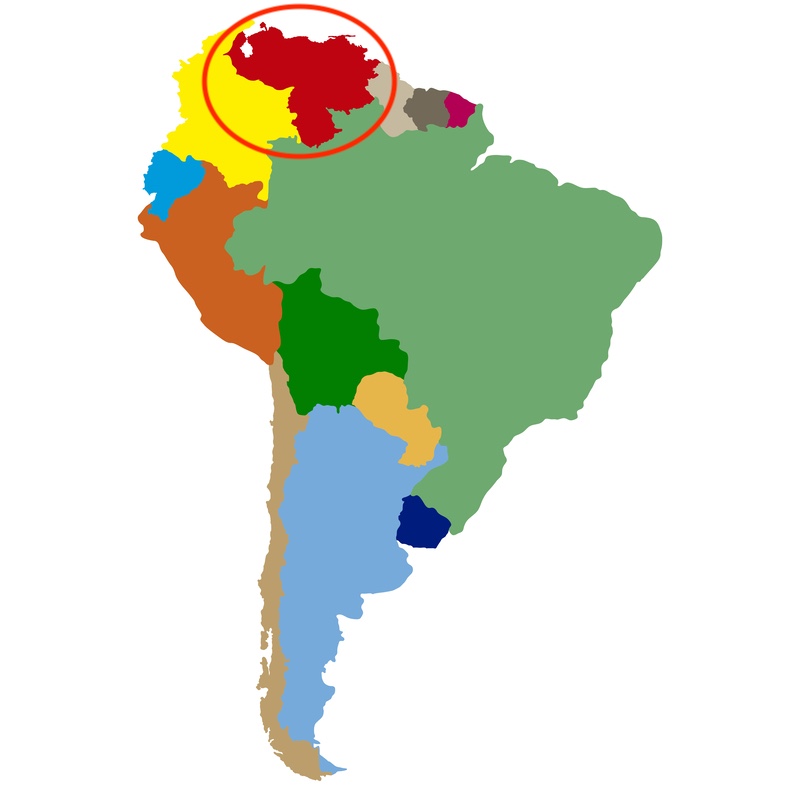
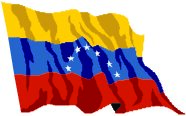
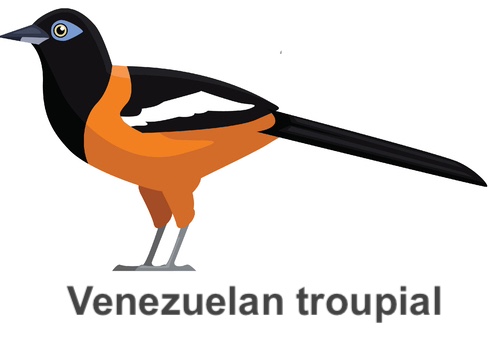
From National Geographic: "Venezuela is a country on the northern coast of South America. One of the world's chief oil exporters, it is as famous for its petroleum as it is for its natural wonders. The country boasts majestic Angel Falls, which is the world's highest waterfall. Other marvels include the forest-covered Guiana Highlands and the northern arm of the Andes Mountains. " --read more
| Level | Name | Sheet music | Audio |
| 4 | Venezuela | |
|
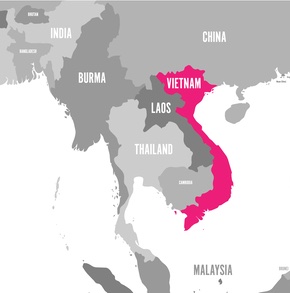
From National Geographic: "Vietnam is a long, narrow nation shaped like the letter s. It is in Southeast Asia on the eastern edge of the peninsula known as Indochina. At its narrowest point, Vietnam is only 30 miles (48 km) wide. Most Vietnamese people live in the countryside, mainly in the river delta regions of the north and south. Recently though, people have begun to move to the main cities of Ho Chi Minh and Hanoi." --read more
| Level | Name | Sheet music | Audio |
| 1 | Đàn chim trắng | |
|