
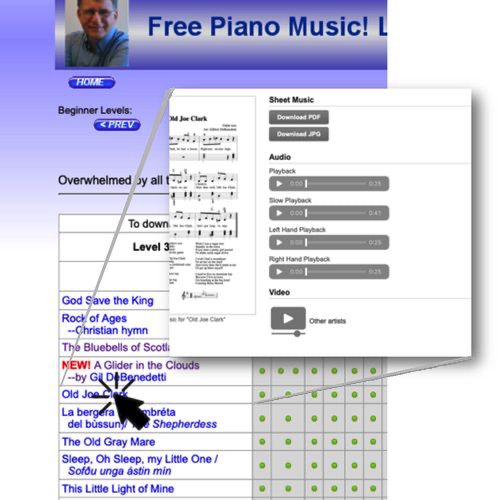
The last big group of pieces has joined the new format: the Intermediate levels are turning blue too! Every Intermediate piece — from Clementi sonatinas and Bach inventions to Chopin preludes and Beethoven sonatas — now has its own dedicated page. Click any title and you'll jump straight there, with everything gathered in one place: a preview of the music, the PDF and color-coded downloads, and the audio, all of it.
With this update, every piece on the site has its own page. It's part of a bigger update we've been working on behind the scenes to make the site easier and more enjoyable for you to use. More improvements are on the way, so keep an eye out — and in the meantime, happy exploring!
In OCTOBER you get “We Gather Together” in Level 2B
|
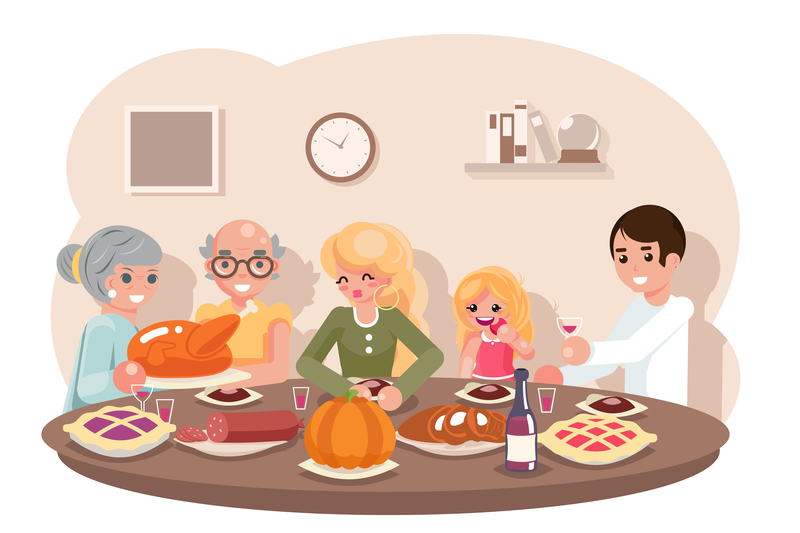
With this piece we're thinking ahead to the end of November and the U.S. Thanksgiving. I know that perfecting a piece takes time and you need to plan ahead for special occasions like this. (Canadian visitors will have to learn this quickly since your Thanksgiving is on October 12.) If you are a less experienced pianist you can find an easier version in Primer Level B. Here is a tip for this version for the simultaneous shifts of hand position at the end of line 1. You can do this without looking at the keyboard since the first notes of line 2 are repeated notes. By feel alone you can place your right thumb where you had just played a G, and your left hand finger 3 where you had just played a C. Do this smoothly so there is no pause at the line break. I think by level 2 the placement of RH 4th finger on G shouldn't be a problem. I love this arrangement. I hope you do too. |
|
... and your second piece in October is my original “Get Down Hoedown” in Level 1C
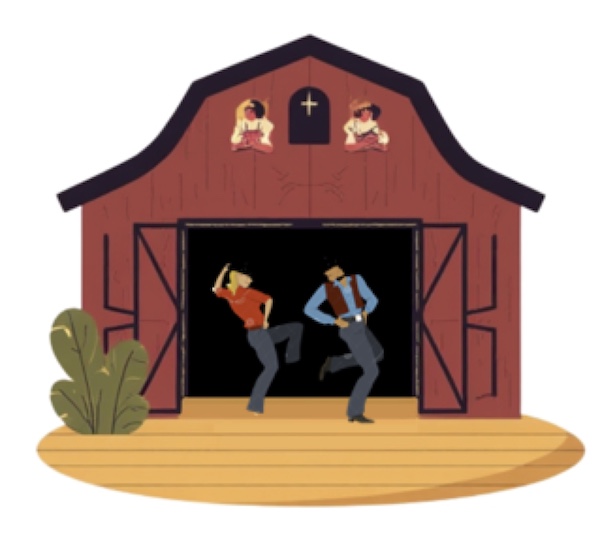 |
You can think of this as a vigorous dance celebrating a successful harvest--although nothing in the words specifically references fall or harvests or Thanksgiving. The piece is pretty much anchored in the traditional C position with occasional B's. The main point though is the spirit. As the tempo marking says, play it "Fast and fun!"
Write your comments at the facebook group. |
Your NEW SEPTEMBER pieces are “Every Time I Feel the Spirit” in Level 3 ...
| A startling little syncopation begins this piece and then leads to a rousing forte chorus. Since there is no steady beat ahead of time to prepare the syncopation, some rhythmic notations appear below the staff to help the student count it out and play it correctly. A more subdued verse follows the chorus providing a nice contrast to the exhuberant opening and closing sections. A tricky spot for some students might be at the Da Capo where the syncopation at the beginning of the page must follow the last notes immediately. |

|
... AND “In the Garden,” Gurlitt's Op.140 No.4, in Keyboard Classics
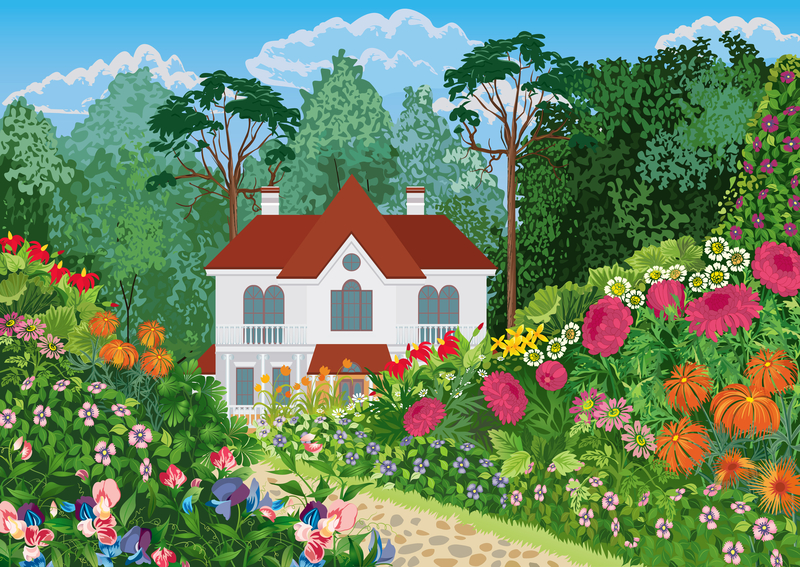 |
“In the Garden” is like "A Whale's Tale" which I introduced you to in June in that the melody is completely in the left hand. So the advice here is the same. Make sure the right hand is nice and soft so it doesn't overpower the tune in the left hand. The composer wrote an interesting section about halfway through where the right hand plays the melody an octave higher while simultaneously continuing the accompaniment. This double duty may require some extra work on the part of the student.
Write your comments at the facebook group. |
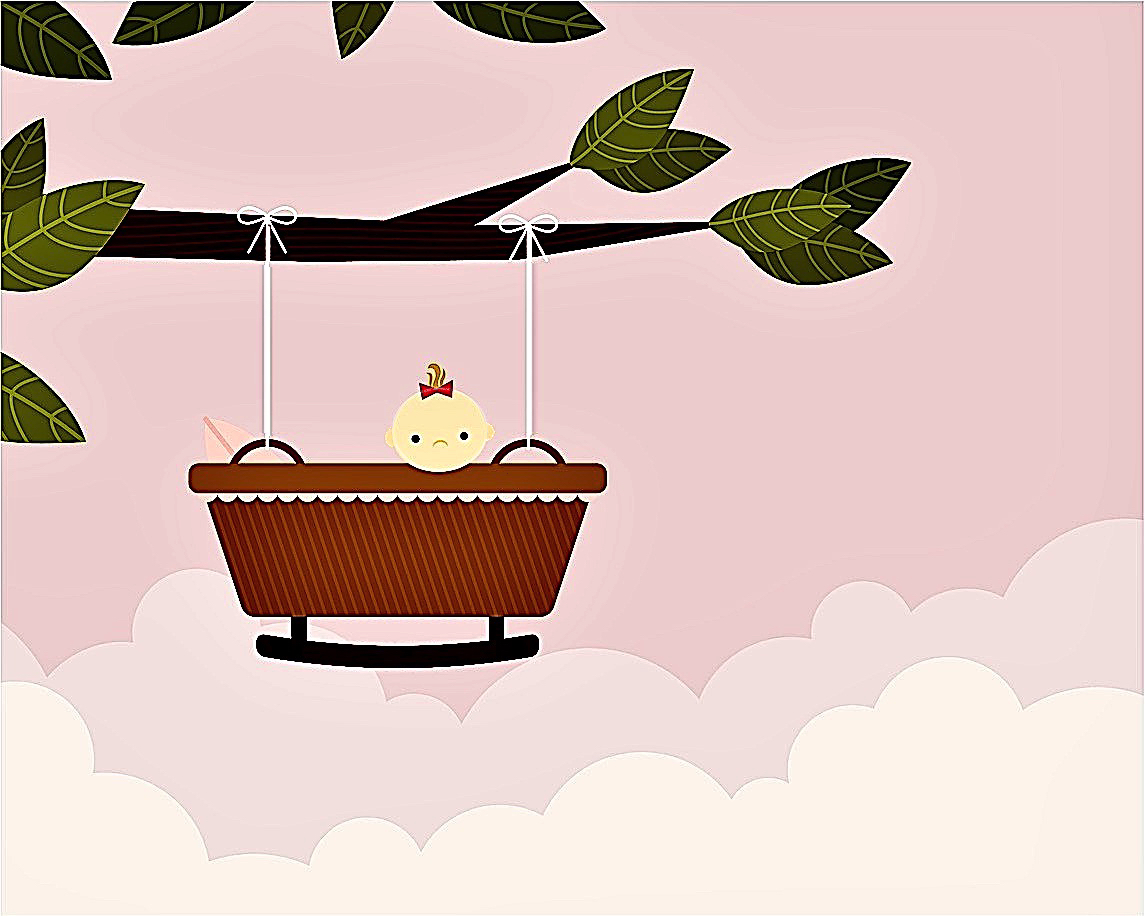
In AUGUST you get “Rock-a-Bye Baby” in Level 2
|
Be sure to play this classic lullaby an octave higher than written--I have found that instructions like these, instructions written out in English above the first staff, are often overlooked. The melody is arranged interestingly and beautifully to be played between the hands. According to Wikipedia the lyrics to "Rock-a-Bye Baby" first appeared in print in England in Mother Goose's Melody way back in the 1760's. There has been lots of speculation about why a lullaby would have words about a baby falling from the top of a tree, but nothing definitive. It does seem strange. I guess it's one of life's mysteries! |
|
Secondly in AUGUST you get my own “A Glider in the Clouds ” in Level 3
 |
A pedal throughout this piece blurs the melody like a persistent fog blurs our vision in a grey sky. Far from fearful, we enjoy the quiet of an aircraft with no propellers or jet engines. We are confident in fact that when our journey ends we will land smoothly and gracefully back to earth. "A Glider in the Clouds" is another quiet piece this month, a piece with small changes of hand position between similar phrases. Shhh! Write your comments at the facebook group. |
Here's a BONUS piece in mid-July! "Princess Pat" is now in Level 1
|
Scouts love this "repeat after me" song! Princess Pat lives in a tree and sails across the sea in a mysterious boat. Is it a rick-a-bamboo? a rig-a-bamboo? or a rig-bamboo? Different versions of the lyrics call it different things. Your piece calls it a rig-a bamboo to sound like a "rig of bamboo", which actually makes some sense. Anyhow, in your arrangement as a repeat after me song, the left hand repeats what the right hand plays note for note. Write your comments at the facebook group. |

|
Your FIRST tune in JULY is "Take Me Out to the Ballgame" in Level 3
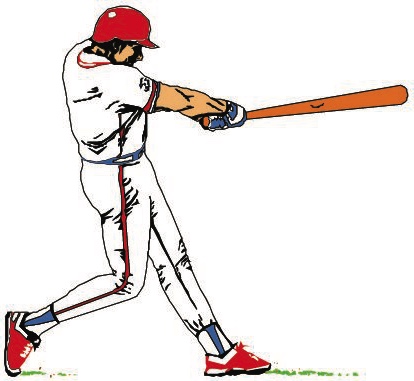 |
How happy we are when we sing this song during the seventh inning stretch at our home team's ballpark! Baseball fans will surely love playing their new arrangement this month. The right hand in this piece moves from C position to pinky-on-the-next-higher-C position 😁 , a hand placement which by this time is probably familiar to students from their C scale. If not, this piece is a great introduction. The left hand is pretty solidly in C position except for D minor and D major chords very close by. Enjoy the ongoing baseball season! |
Your SECOND piece is the traditional Jewish song, "Hava Nagila," also in Level 3
|
In July you also get a lively dance tune which is played at every Jewish wedding, Bar and Bat Mitzvah, as well as many other religious holidays. Revelers celebrate by dancing a hora to the music while guests of honor are frequently hoisted above the dancers in chairs. Try starting slowly and ever so gradually getting faster and faster until the ritard at the end. Write your comments at the facebook group. |

|
Your NEW JUNE Music consists of three pieces I have written myself, all with an animal theme.
FIRST is “The Stallion Gallops Free” in Primer Level

|
Here’s an exciting recital piece for Primer Level pianists. You can think of it like “There’s a Rabbit in the Garden,” longer than most Primer pieces and with plenty of opportunity to show off. In this case the tempo marking, “Like the Wind,” and the easy fingering encourage your student to put on a dazzling display! |
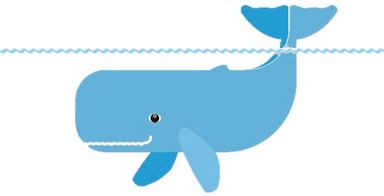
SECOND is “A Whale’s Tale” in Level 2
| Just as a whale lives under the sea, the melody in this new piece lives completely in the lower notes of the left hand. “A Whale’s Tale” is a great piece to introduce balance to the student—the important skill of playing the melody louder than the accompaniment. The performance should flow swiftly and smoothly as if swimming through a large body of water. |
|
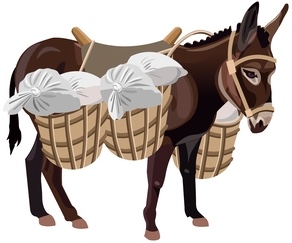
And YOUR THIRD June piece is “A Burro’s Burden” Primer Level
|
Determined to carry a heavy load, this burro (Spanish for donkey) is serious about the job ahead (read: minor key). And “if it’s more than I bargained for” your donkey won’t hesitate to let out its well known cry. Write your comments at the facebook group. |
Your NEW Music in May is the Cuban classic, “Guantanamera” in Level 4
 |
With words by the Cuban national hero José Martí, “Guantanamera” is a nostalgic reflection of Cuba’s easternmost province. A rough translation would be, “Woman from Guantánamo, I am just an honest man from where the palm tree grows…With the poor of the earth I cast my lot.” As this piece starts with such a clear and repeated C chord, one might forget to look at the key signature and assume there are no sharps or flats. But no! Beware! We are actually in G with an F-sharp in the key signature. It needs to be observed soon after starting—in the second measure there’s an F-sharp in the left hand. Write your comments at the facebook group. |
Happy Spring! APRIL’S first new tune is “The Banana Boat Song” or “Day-O” in Level 2
|
Harry Belafonte popularized this Jamaican tune with his stunning performances of what came to be known as “Day-O.” Far from a get-up-and-greet-the-day song, it is a work song, sung by laborers toiling through the night picking bananas. They did not work during the day because the daylight sun was too hot. In essence they sang, “The sun is up. Come here, boss, and count the bananas I loaded onto the boat (‘tally me banana’) so that I can go home and sleep.” The right hand in this arrangement shifts back and forth between spanning a sixth, E up to C, and the familiar C position. The left hand meanwhile stays solidly in C. Write your comments at the facebook group. |

|
Second in APRIL is “Hey Jama,” a variation on “Frère Jacques” also in Level 2
 |
Of the hundreds of variations around the world of “Frère Jacques,” you are now getting one from Somalia. Here, instead of Jacques being awakened to ring the matins bells, Jama is awakened to go to school. Thank you, Mama Lisa, for this version. When you go to Level 2 you will see that you can choose between an adult printout and a child one. They differ only in the accompanying picture. In this arrangement the harmonies are a bit unusual though pleasant to the ear. Do not forget the flat in the key signature which affects a B in the very first measure as well as many subsequent measures. Otherwise you get harmonies which are way too unusual for most people’s tastes! Write your comments at the facebook group. |
There is much music in MARCH for you! First, “From Caterpillar to Butterfly” appears in Level 1
|
You will find this piece early in Level 1 as the note reading is easy for this level. In addition, “From Caterpillar to Butterfly” contains a wide variety of instructions which make for both teachable moments and interesting sounds. These include pedaling, dynamics, a ritard-fermata-A-Tempo passage, a shift to an octave higher notated with 8va, and left hand crossing over right on the very last note. I hope you enjoy teaching and playing it as much as I enjoyed composing it. Write your comments at the facebook group. |

|
Second, in MARCH on your Level 2 page is, “Sonatina Piccola”
   |
I have now written for you three short Sonatinas for Levels 1, 2 and 3 called respectively, “Sonatina Piccolina,” “Sonatina Piccola” and “Sonatina in G.” I am sure that your new Level 2 “Sonatina Piccola” will match and even surpass the popularity of its smaller “Piccolina” cousin. I have always enjoyed the challenge of writing classical forms at the easiest possible levels: in addition to these three sonatinas see my
Gavotte in Keyboard Classics,
my Musette in Level 3,
and my Sonata Form Fun
in Intermediate Level 1. Enjoy playing these accessible pieces found only on this site. Write your comments at the facebook group. |
Your FEBRUARY music includes three versions of “Jumping Jacks,” taken from
Purcell’s “Rigadoon” in Primer Level, Level 1 and Level 2
|
A rigadoon is “a lively jumping quickstep” according to The American Heritage Dictionary. This description inspired me to call the piece “Jumping Jacks” and to add staccato dots to encourage students to have their fingers “jump” from key to key. In Primer Level, phrase markers emphasize the difference between staccato and legato touches. Level 1 is unusual in that the melody at first appears in the left hand. There is also an easy shift from Middle C position to “Regular” C position (hands an octave apart). The Level 2 version has slightly more complicated shifts of hand position typical of this level. Write your comments at the facebook group. |

|
February’s second offering is “Star Light, Star Bright” in First Pieces and Level 1

|
Half of the First Pieces version of “Star Light, Star Bright” is played by just two pointer fingers. Easy peasy! The notation, however is traditional, complete with rests and grand staffs. The Level 1 version is a great introduction to G position. There are no stretches down to F-sharp, no 3-note chords, and the melody appears in both hands. I would suggest that students play the melody while singing letter names—with no peeking at the keyboard! This would be a good strategy for practicing their music reading skills. Write your comments at the facebook group. |
In JANUARY of 2026 you get two dances! First, my own composition, “Artie’s Jig”
in Intermediate Level 1
|
You are getting two versions of “Artie’s Jig,” both in Intermediate 1. One version is written in traditional notation while the second is written as a lead sheet. I am hoping that non-pianists will use the lead sheet to play informally in folk, bluegrass or country bands. I therefore took out piano fingerings from the lead sheet as they might confuse fiddlers or other instrumentalists. Artie, by the way, is a close relative’s dog. He is much loved and he loves back dearly. Write your comments at the facebook group. |
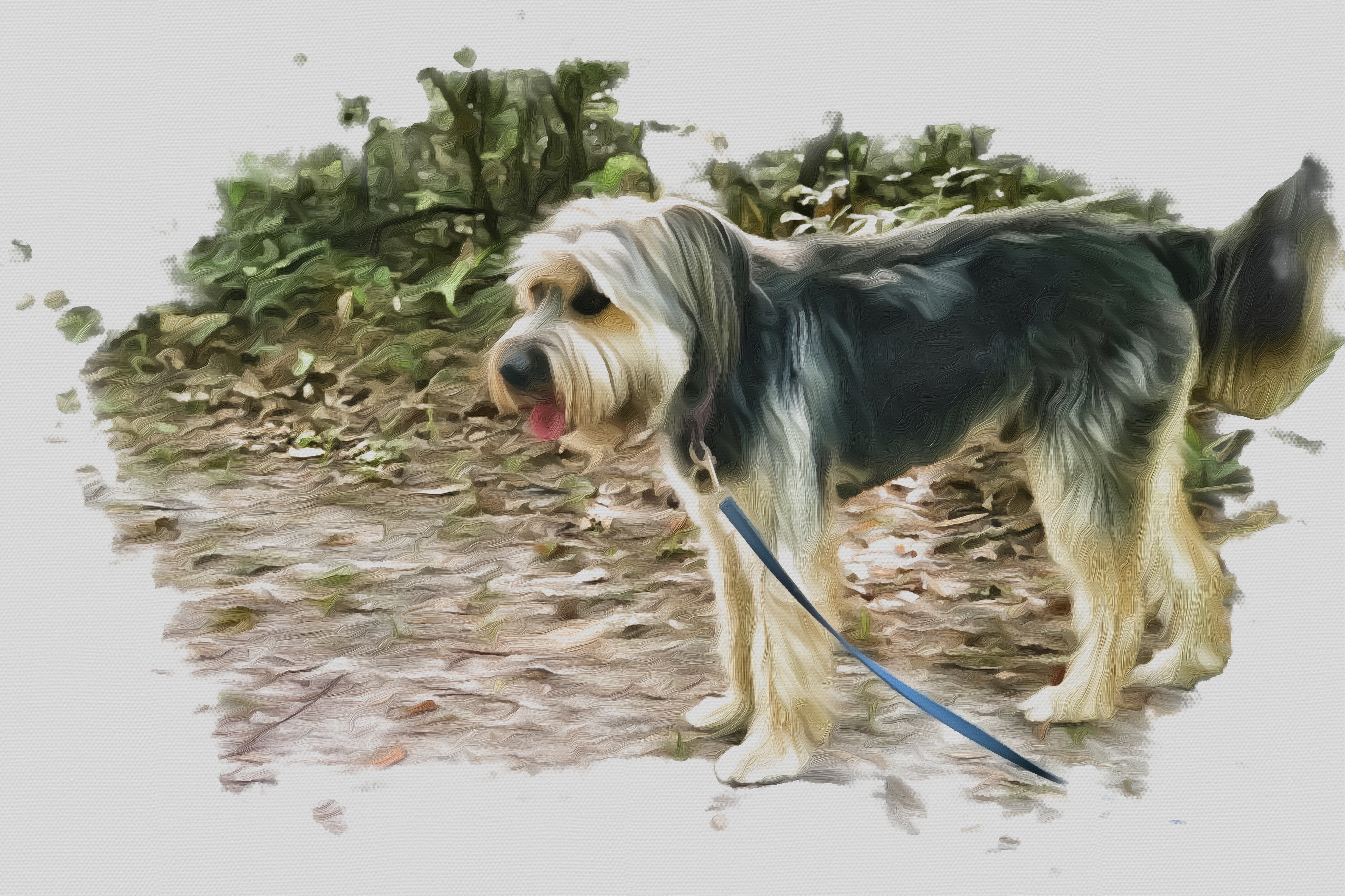 Artie on his morning walk |
…and second is Minuet No.1 from Bach’s G minor Suite BWV 822 in Intermediate Level 2
as promised last month
|
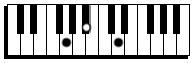
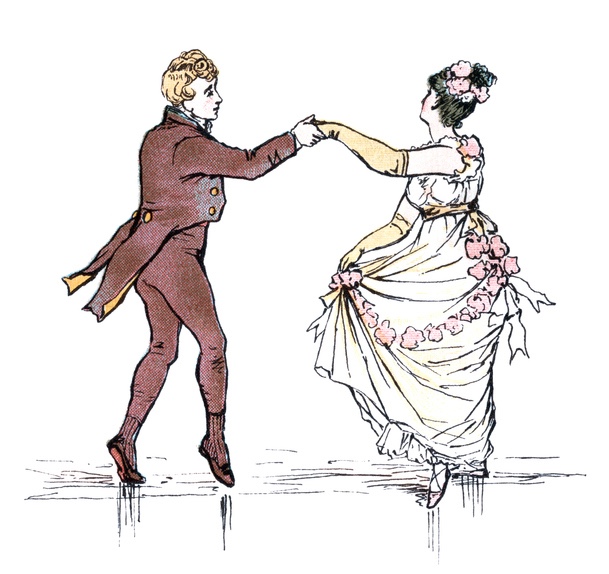
There is only one other piece on this site in the key of G minor preceding this minuet—the minuet from the notebook of Anna Magdalena Bach in Intermediate Level 1. So these two minuets bring up the question, “How do you introduce a new key to the student?” First, I recommend that exercises progressing through all keys be practiced throughout a student’s learning. My “5-Finger Patterns and Chords” on this site’s Exercises page is a good, systematic way to do this. Its introduction reads in part: “In these pages you find the right notes without the benefit of reading music. Instead you use:
Thus, you will transpose exercises written in C to other keys…” Secondly I recommend that the scale of the new key be practiced along with the piece. Scales can also be found on the Exercises page.Write your comments at the facebook group. |
Happy New Year 2026! May we always make music!
See earlier postings in the
archive for 2025.

